

07 January 2024
Face masks have become a popular part of many people's skincare routines today. Not only do they help improve skin concerns, they also nourish the skin and keep it healthy from deep within. Still, many of you wonder: do you need to wash your face after using a mask? Let's find the answer with Lunaria and learn how to use face masks properly in the article below.
DO YOU NEED TO WASH YOUR FACE AFTER A MASK?
Whether you need to wash your face after a mask depends on the type of mask you are using:
Rinse-off masks

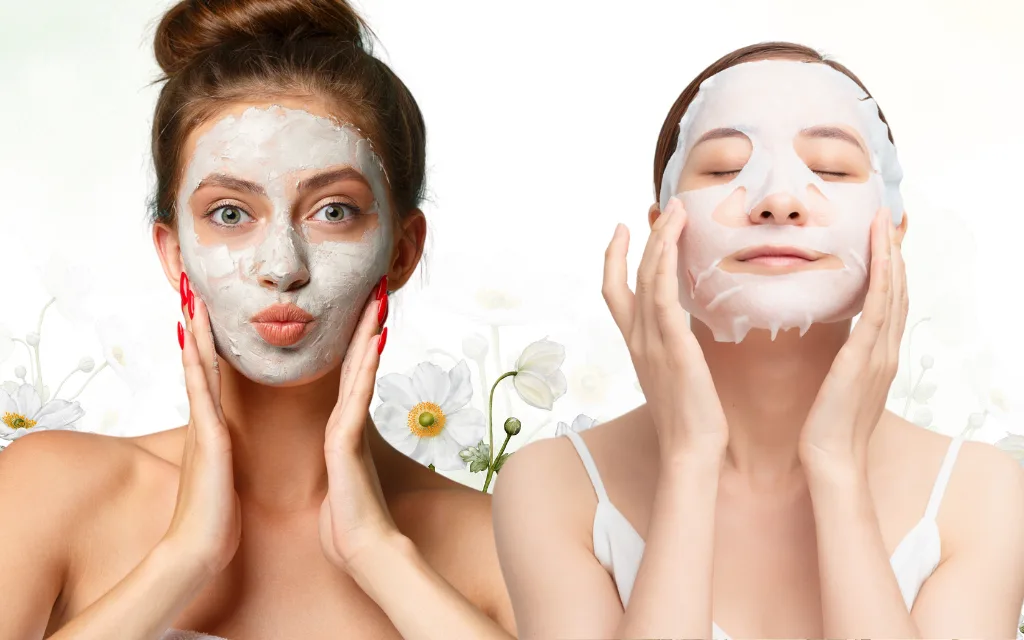
These include sheet masks, clay masks, peel-off masks, cream masks and so on. You should wash your face after using any of them. Your skin only needs to absorb a sufficient amount of the essence from the mask, so washing afterwards removes any mask residue or leftover essence and helps prevent skin overload.
Jelly/gel masks, collagen masks or liquid masks

It's best not to wash your face after these, as water will rinse away the beneficial ingredients the product provides, such as the actives that hydrate and keep skin smooth.
Sleeping masks
Leave the mask on overnight and rinse it off the next morning. A sleeping mask is recommended as the very last step of your night-time routine, after your moisturiser. It boosts hydration and protects the skin throughout the night, so you should only wash your face in the morning to keep all the goodness on your skin overnight.
So the answer to whether you should wash your face after a mask is YES. You should rinse your face after using a mask with cool water (except for sleeping masks). This removes excess essence, cleans away any residue on the skin and keeps your skin from feeling clogged afterwards.
HOW TO APPLY A FACE MASK CORRECTLY
For a mask to work at its best, you need to apply it correctly and methodically. Here is a sensible way to use face masks, along with the steps to care for your skin before and after:
- Step 1: Cleanse your skin with your usual cleanser.
- Step 2: Apply a thin, even layer of mask over the whole face, avoiding the eyes and mouth.
- Step 3: Massage for a few seconds, or as long as suits the type of mask you are using.
- Step 4: Leave it on for about 10–20 minutes so the skin can hydrate. Oily skin should keep it on for a shorter time, while dry or ageing skin can leave it on longer, depending on the manufacturer's instructions.
- Step 5: Rinse off with warm water. Gently pat with a soft towel to remove any remaining residue. Skip this step for specialised masks such as sleeping masks.
- Step 6: Continue with the rest of your skincare routine: toner, serum, moisturiser and so on.
WHAT TO DO BEFORE AND AFTER A FACE MASK
Before applying a face mask, you can follow these steps:
- Step 1: Cleanse your skin with micellar water and a cleanser.
- Step 2: Exfoliate.
- Step 3: Apply toner to balance the skin's pH.

Dermalogica UltraCalming Mist – an instantly soothing mist for sensitive skin
To help your skin absorb as many nutrients as possible, follow these steps after your mask:
- Step 1: Rinse your face with cool water.
- Step 2: Apply a serum or targeted treatment product.
- Step 3: Use a moisturiser to hydrate and lock in moisture.
- Step 4: Apply sunscreen to block UV rays and protect your skin effectively.
HOW TO CHOOSE THE RIGHT MASK FOR YOUR SKIN TYPE
Whether you need to wash your face after a mask depends on the type of mask you use. But every skin type has its own characteristics, so consider the following when choosing a mask for your skin:
- Masks for oily skin: Choose masks that help tighten pores and reduce sebum production.
- Masks for dry skin: Go for gel or cream masks with deeply hydrating, gentle ingredients such as avocado, olive or yoghurt extracts.
- Masks for combination skin: Choose products with natural extracts, such as herbal extracts or collagen, that both control oil and hydrate the skin.
- Masks for sensitive skin: Choose gentle formulas without alcohol or fragrance to avoid irritation, such as masks made with natural extracts.
- Masks for acne-prone and sensitive skin: Acne-prone skin is easily damaged. Dermatologists don't recommend including masks in the routine for this skin type, as they can make acne progressively worse. If you'd like to use one, please consult a doctor first.
TIPS FOR USING SPECIALISED FACE MASKS
There are many different masks on the market, so it helps to know how to use each type and whether you need to wash your face afterwards, so you can choose products that fit your skincare routine. Here are some tips for using specialised masks:
Sheet masks
These masks hold a lot of essence on their surface, so take care not to tear the mask when removing it from the packet. When applying, adjust it to fit your face, nose, eyes and mouth. Keep the mask pressed firmly on the skin for 15–20 minutes so the nutrients can fully absorb. Finally, remove the mask and rinse thoroughly with water.
Bubble and detox masks
These masks are only recommended once a week for a deep detox. As this is a targeted treatment mask, apply just enough to cover your face, avoiding the lips and eyes. Relax for 15 minutes, then rinse off completely with clean water.
Clay masks
These masks are ideal for oily, acne-prone skin, helping to remove sebum and excess oil and fight bacteria. Simply apply a thin layer to the skin, starting from the neck and working up to the face, avoiding the lips and eye area. Leave on for 15 minutes for the best results, then rinse off completely with water.
Gel masks

Skin Hydrating Masque – Dermalogica's deeply hydrating gel mask
These masks are extremely hydrating, making them well suited to dry skin. Apply a thin, even layer of gel over the face, avoiding the eyes and lips. Leave on for 20–25 minutes so the nutrients can penetrate deeply.
Cream masks
Cream masks suit dry and combination skin. Apply a thin, even layer over the face, keeping it away from the lips, eyes and eyebrows. Leave on for 15–20 minutes to let the mask work, then rinse off thoroughly with water.
Sleeping masks
These specialised masks hydrate and lock in moisture all night long. With clean hands, apply a thin layer to the skin, avoiding the eyes and lips. Leave it on and wash your face the next morning.
FREQUENTLY ASKED QUESTIONS ABOUT FACE MASKS
So is knowing whether to wash your face after a mask all you need? There are plenty of other questions about using face masks that many people ask, too.
Should you use a face mask every day?
Masking too often or every day can irritate the skin, weaken the protective function of the epidermis and strip away natural oils, leaving skin dry and thin. It's best to mask only 2–3 times a week to keep your skin healthy. That said, how often you mask can depend on your skin's condition. If you have normal skin, you can mask 3–4 times a week; oily, acne-prone skin 2–3 times; and more sensitive skin 1–2 times a week.
Do you need to wash your face before a mask?
Yes, you should wash your face with a cleanser before applying a mask. This removes dirt, oil and makeup from the skin, keeping pores clear so they can better absorb the nutrients from the mask.
How long should you leave a mask on?
How long to leave a mask on depends on the type of mask you're using, but generally only for about 15–25 minutes. Leaving it on too long or overnight (except for sleeping masks) can cause irritation, dryness or breakouts.
Do you need to use a cleanser after a mask?

No. After using a mask, simply rinse with warm water (depending on the type of mask) to remove the mask and any remaining essence; there's no need for a cleanser.
When is the best time to use a face mask?
Here are the best times to use a face mask:
- Morning, 8–9 am: This is when your skin absorbs nutrients best, as blood circulation is fast. A morning mask also hydrates the skin, minimises pores and keeps your makeup from flaking.
- Midday, 11 am–12 pm: This is when your skin produces more oil, pores expand and dirt penetrates easily. A midday mask helps remove bacteria, hydrate and soothe sun-exposed skin. Be sure to wash your face thoroughly before a midday mask.
- Evening, 9–10 pm: This is when your skin relaxes and de-stresses after a long day. An evening mask also helps your skin absorb nutrients better, so you wake up the next morning with fresh, radiant skin.
Do you need to moisturise after a mask?
Moisturising after a mask is an important and necessary step. It effectively hydrates and locks in moisture, helping your skin absorb the nutrients from the rest of your skincare routine.
Can you use several masks at once?
Each type of mask has its own skincare benefits, but you shouldn't use several at the same time, especially sheet masks, as this can clog pores and overload the skin, leading to breakouts. You can, however, alternate them on different days.
Above is some useful information to consider when using face masks. Lunaria is an authorised Dermalogica distributor in Vietnam. With a philosophy focused on sustainability and long-lasting results in skincare, let Lunaria support you on your everyday beauty journey!

Trusted Acne Treatment in Da Nang: Why Acne Care Should Start With the Skin Barrier
When it comes to treating acne, many people immediately think of controlling oil, clearing pores or using strong actives to push breakouts out. But healthy skin is about more than just fewer breakouts. The skin barrier also plays an important role…
Read more →
Acne Extraction Spa in Da Nang: Why Squeezing Pimples Yourself Can Make Your Skin Worse
Extractions aren't just about clearing out blemishes. What matters more is treating your skin's actual condition correctly and avoiding unnecessary damage.
Read more →
Laser Hair Removal in Da Nang | Lunaria Skinlab
Tired of the endless cycle of shaving, waxing, and dealing with irritated skin in Vietnam’s hot weather? At Lunaria Skinlab, we offer a permanent, painless solution. Located in the heart of Da Nang, our clinic specializes in advanced DPL (Dynamic Pulsed Light) hair removal, designed to give you…
Read more →Start your healthy-skin journey
Leave your details and Lunaria will call you back to confirm within 30 minutes.