09 June 2024
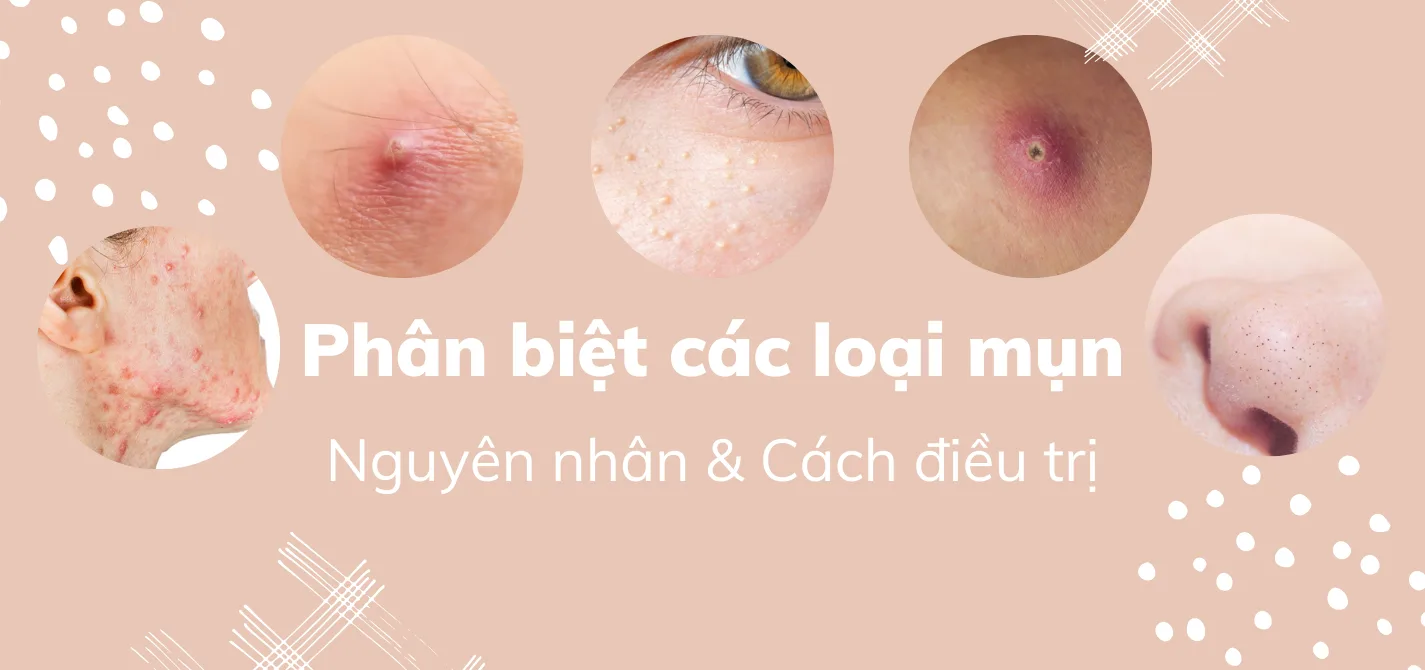
Facial acne comes in many forms, including inflammatory acne, non-inflammatory acne, syringomas, warts and more. Each type has its own characteristics and causes, but in general they stem from improper skincare, hormonal imbalances, overuse of cosmetics that clog pores, excess oil production and so on. Read on as Lunaria walks you through each type of acne so you know how to care for your skin and treat breakouts the right way.
What is acne and what causes it?
Acne refers to raised bumps on the skin in a range of sizes. It is a common skin condition at any age and mostly appears on the face. Types of facial acne include blackheads, whiteheads, comedones, closed comedones, pustules, inflamed acne and more. Each type has its own distinctive signs.
Many factors can lead to this unwelcome skin condition. Here are some of the main causes:
- Hormonal changes in the body, especially during puberty, pregnancy, perimenopause and so on.
- The invasion and growth of P. acnes bacteria (Propionibacterium acnes) and Demodex mites.
- Eating spicy food, drinking coffee and consuming lots of carbohydrate-rich foods such as soft drinks, milk tea, sweet pastries, French fries and sweets can trigger various types of facial acne.
- Improper skincare: not cleansing thoroughly, not exfoliating regularly, not moisturising enough and so on.
- Wearing makeup frequently, overusing cosmetics or using low-quality products.
- Side effects of certain medications containing corticosteroids, testosterone, lithium and others.

Acne is a common skin condition (Source: Internet)
1. Blackheads
- Characteristics and signs: one of the most common types of facial acne. Blackheads do not cause swelling or inflammation. The plug protrudes above the skin's surface, where it is exposed to the air, oxidises and turns black. They are very small, only around 1–2 mm in size.
- Location: usually on the forehead, nose, chin and cheeks.
- Cause: excess oil, dead skin cells and dirt that are not fully cleansed away build up and clog the pores.

(Source: Internet)
2. Whiteheads

- Characteristics and signs: usually appear as small white bumps under or on the surface of the skin. They measure only about 1–2 mm and are not painful.
- Location: mainly on the nose, forehead, cheeks, chin and so on.
- Cause: pores become congested with too much dirt and dead skin cells. Whiteheads can affect anyone but are most common during puberty, pregnancy, and in people who often stay up late or are frequently stressed.
3. Closed comedones
- Characteristics and signs: they sit deep beneath the skin, leaving it bumpy, rough, dull and less attractive.
- Location: commonly the chin, forehead, jawline, around the mouth and the cheeks.
- Cause: mainly hormonal imbalances and an unhealthy lifestyle and diet. Naturally large pores or an unstable detox process in the body can also play a role.

(Source: Internet)
4. Comedonal acne (tiny bumps)
- Characteristics and signs: the precursor to other types of inflamed facial acne. They are slightly cloudy, dark or white in colour, contain no pus and are completely painless. If these bumps are damaged or infected, they can turn into inflamed acne with severe swelling and pus.
- Location: can form on many areas of the face, especially the nose and chin.
- Cause: they often appear during puberty, pregnancy, after childbirth and perimenopause due to hormonal changes in the body.

(Source: Internet)
Telling apart types of inflammatory facial acne
Inflammatory acne is often painful, red and swollen, and may contain pus. Here are the most common types:
1. Nodular acne
- Characteristics and signs: contains white or yellow pus and blood, sits deep within the skin, feels hard and causes swelling, inflammation and pain. These lesions are relatively large and may appear singly or in clusters. At first they are hard and very difficult to break, gradually becoming softer. This type of acne can lead to worrying complications on the skin, especially atrophic (depressed) scars.
- Location: most often on the chin, nose, forehead and cheeks.
- Cause: skin inflammation, sebum, dead skin cells, dirt and bacteria irritate the hair follicles. It mainly affects people with hormonal imbalances, excretory dysfunction, prolonged stress, or an unhealthy diet and lifestyle.

(Source: Internet)
2. Red inflamed acne (papules)
- Characteristics and signs: one of the types of inflamed facial bumps that cause uncomfortable pain. They often contain pus and become very swollen. The core may be hard or soft depending on the case.
- Location: can appear anywhere on the face.
- Cause: an unbalanced diet, for example not getting enough fibre, lack of sleep, prolonged stress and so on. Sometimes they are caused by genetics or hormonal imbalances, or by overusing unsuitable cosmetics.

(Source: Internet)
3. Cystic acne
- Characteristics and signs: cystic acne is a common form of acne vulgaris. Cysts develop deep within the skin and push up into red, swollen, tumour-like bumps on the surface. They are filled with pus, causing pain and discomfort. Cysts may appear singly or in clusters.
- Location: most often on the face, sometimes on the neck, back, chest and so on.
- Cause: mainly sebum filaments, bacteria and dirt building up and inflaming the hair follicles. In addition, hormonal imbalances, cosmetic overuse, genetics and frequent stress can also increase the risk of cysts forming.
4. Boils
- Characteristics and signs: a common skin infection. A boil starts as a red, swollen bump that grows larger over time. It contains pus, causing uncomfortable swelling and pain. The head is white and may burst on its own, releasing fluid.
- Location: can appear anywhere on the body, most commonly on the face, armpits, neck, thighs and buttocks.
- Cause: mainly clogged pores, keratosis pilaris, folliculitis and so on.

Boils contain pus (Source: Internet)
5. Furuncles around the mouth ("beard boils")
- Characteristics and signs: one of the most dangerous types of inflamed facial acne. They have a pus head and usually cause redness, swelling and pain at the base of a hair when they first form. If not treated properly, they will keep swelling and fill with yellow pus. They can even cause facial swelling accompanied by a high fever.
- Location: mainly on the skin around the lips and nose.
- Cause: skin infection from squeezing pimples incorrectly, shaving cuts, diabetes and so on.

(Source: Internet)
Other types of facial bumps
Syringomas and warts are also common types of facial bumps, as follows:
1. Syringomas
- Characteristics and signs: benign growths raised on the skin's surface. They are completely painless but make the skin look bumpy and less attractive. They are usually tiny, only about 1–3 mm, and may appear in clusters or singly. Syringomas are usually skin-coloured or yellowish, not inflamed or swollen, but they can be itchy.
- Location: most often around the eyes, cheeks, neck, armpits, forehead, abdomen, chest and so on.
- Cause: mainly pigmentation disorders, sweat gland disorders, and an unhealthy diet and lifestyle.

Syringomas affect the skin's appearance (Source: Internet)
2. Warts
- Characteristics and signs: warts (also called common warts) are small growths on the skin that can affect both men and women. They are bumpy, about the size of a sesame seed or a mung bean. Warts are white or skin-coloured and feel rough to the touch. They can easily spread to other areas of skin if squeezed or picked incorrectly.
- Location: warts commonly appear on the face, fingernails, hands, soles of the feet, toenails, ankles and so on.
- Cause: warts can be caused by the HPV virus, when broken skin comes into direct contact with clothing, shoes or towels used by someone who has warts.

Warts can be caused by the HPV virus (Source: Internet)
Effective ways to treat facial acne
To treat the different types of facial acne, you can consider the following effective approaches:
1. Oral medication prescribed by a doctor
Depending on your type of acne, a doctor may prescribe medications such as:
- Oral antibiotics: tetracycline, minocycline and doxycycline are antibiotics commonly used to treat moderate to severe acne. Their main role is to fight bacteria and reduce inflammation in the skin.
- Isotretinoin: an oral retinoid that can shrink the oil glands and limit the development of facial acne.
- Birth control pills: contraceptive pills containing estrogen and progestin (Ortho Tri-Cyclen, Yaz, etc.) help suppress testosterone levels in the body. This helps control sebaceous gland activity and supports the treatment and prevention of facial acne.
- Hormone therapy: this therapy uses low-dose estrogen and progesterone. It works by suppressing certain hormones that stimulate oil gland activity.
2. Treating facial acne with topical medications and products
Topical medications and acne treatment products or serums are also widely used and effective in treating acne, including:
- Azelaic acid: reduces swelling and kills harmful bacteria on the skin, helping prevent new breakouts.
- Benzoyl peroxide: usually comes as a gel. It kills acne-causing bacteria, helps prevent bacterial resistance and exfoliates. It also helps remove sebum to keep pores clear, draws out the core of pimples and quickly reduces inflammation.
- Salicylic acid (BHA): penetrates the skin, controls excess oil and removes bacteria inside the pores. It helps minimise pores and prevent facial acne. BHA also softens the keratinised layer, sheds dead skin cells and stimulates new cell production for healthy, beautiful skin.
- Retinoids: push acne up to the skin's surface to clear out deep-seated breakouts, remove dead skin cells and sebum, and fade post-acne marks. They also help restructure the skin by stimulating elastin and collagen synthesis.
- Topical antibiotics: some antibiotics such as clindamycin and erythromycin can be applied to the skin to help control acne-causing bacteria.
- Dapsone: a topical gel with antibacterial properties, often used to treat inflammatory acne.

Using topical medication to treat acne (Source: Internet)
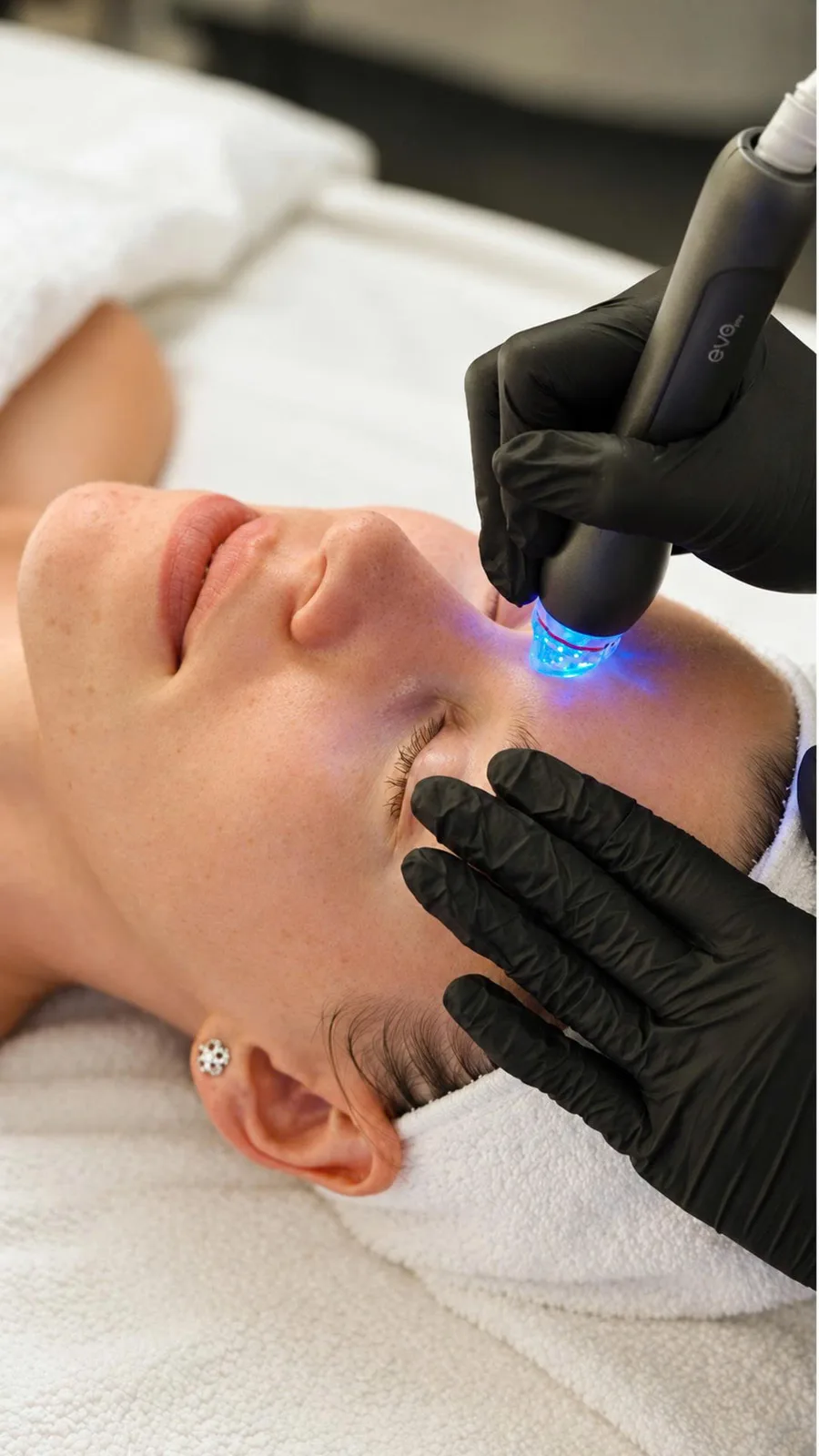
3. Treating facial acne with high-tech therapies
If oral and topical medications don't bring results, you can consider the following high-tech therapies:
- Laser: laser light works deep within the skin to destroy acne-causing bacteria. This reduces inflammation and helps prevent breakouts from recurring and leaving scars.
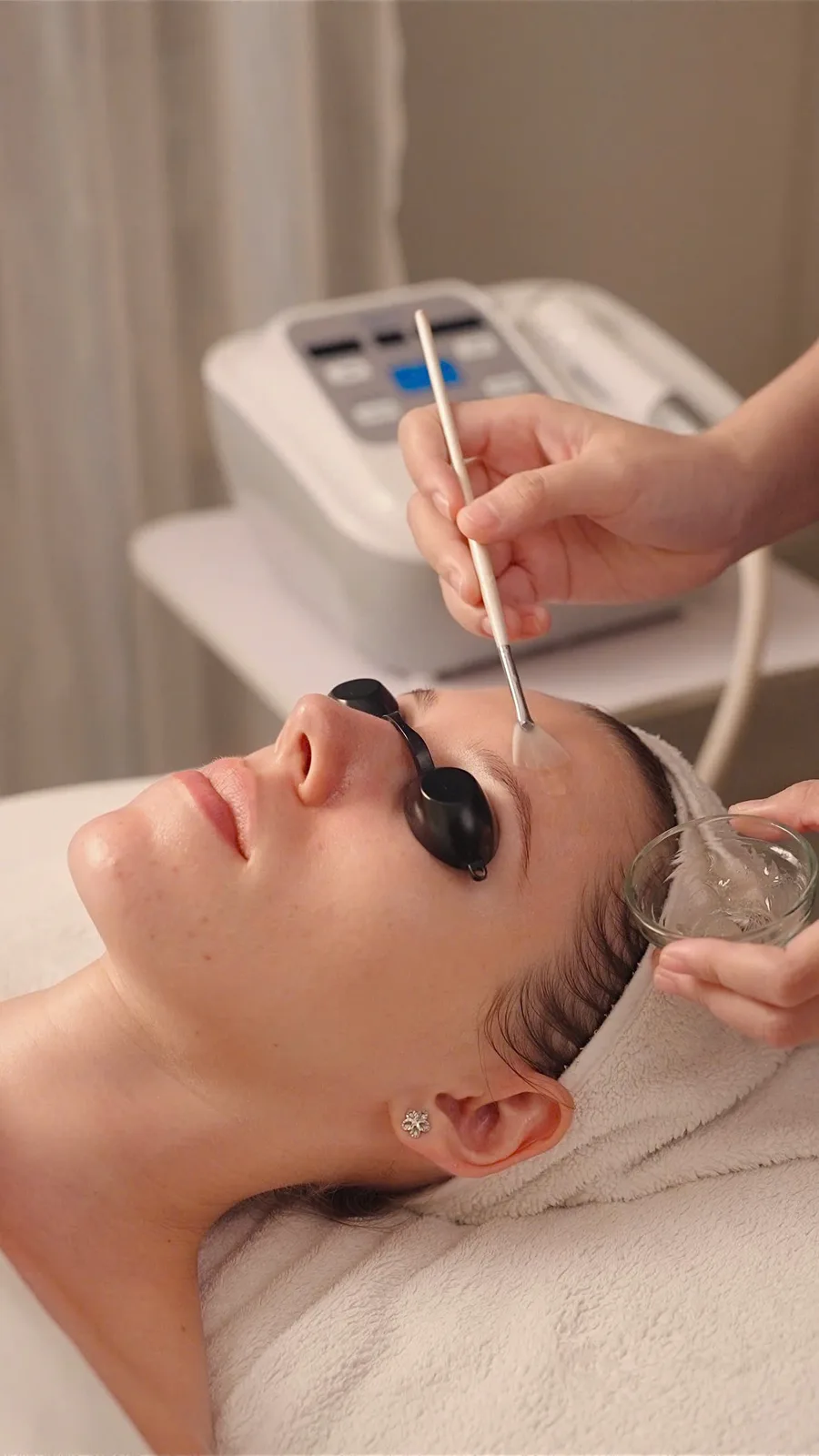
- Chemical Peel: a method that uses chemical actives on the skin to clear pores and remove excess oil, dead skin cells and dirt. It also helps dry out acne cores and bring them to the surface. In addition, the treatment stimulates new skin cell production, removing the old layer for brighter, healthier, smoother skin.
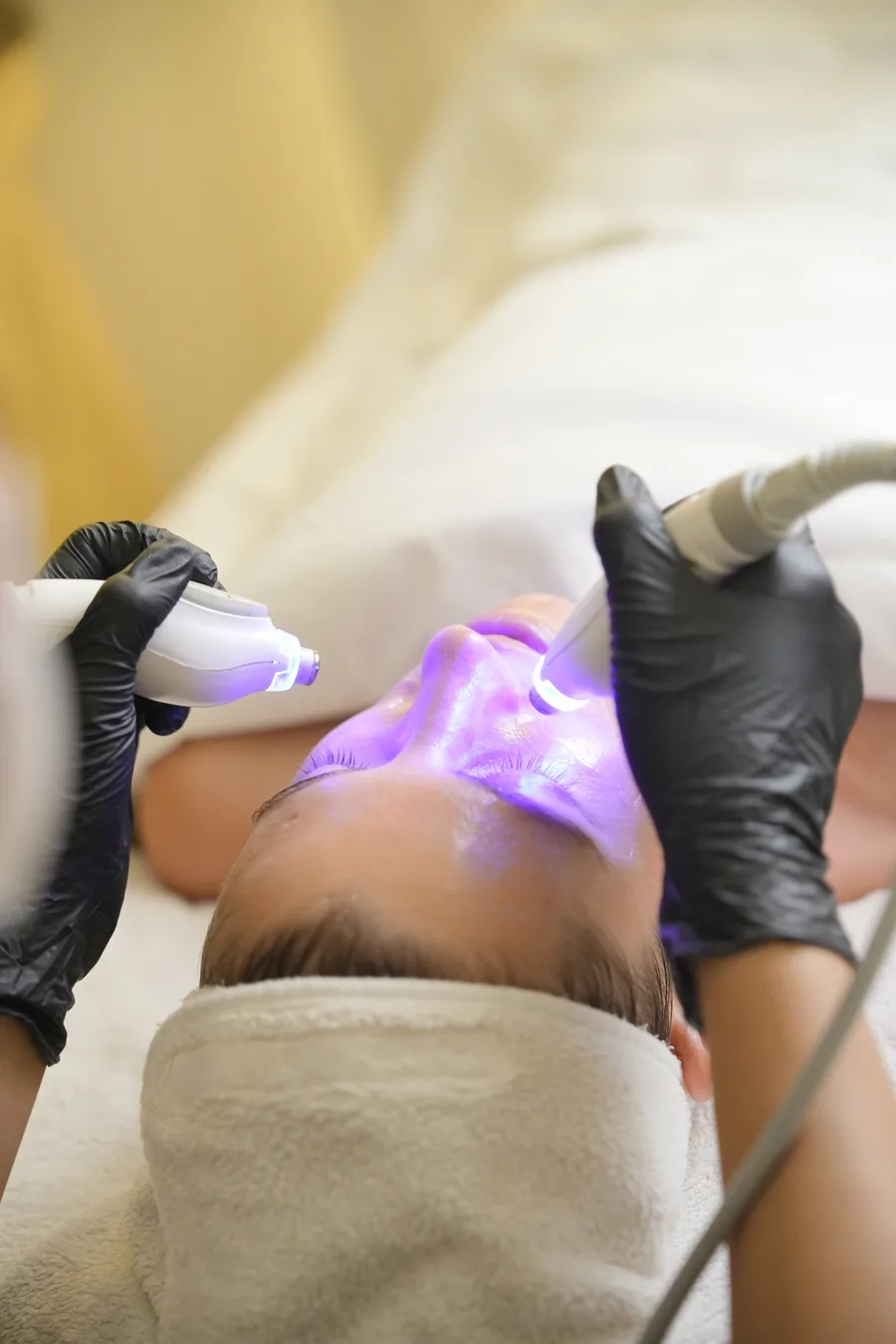
- Light therapy: uses light energy to work deep within the skin's structure, destroying acne-causing bacteria. It also regulates excess oil and stimulates collagen production for youthful, healthy skin.

Treating facial acne with high-tech therapies (Source: Internet)
Skincare tips to improve and prevent facial acne
To prevent facial acne, consider the following science-based, proper skincare habits:
1. Maintain a healthy lifestyle:
Limit spicy and greasy foods, as well as alcohol, sugary drinks, animal milk and dairy products. Focus on a healthy diet that suits your personal health. Eating plenty of vegetables, drinking lots of water, going to bed early and managing stress all help avoid skin irritation that leads to facial acne.
2. Prioritise cleansing:
Cleanse your skin regularly 1–2 times a day, in the morning and in the evening before bed. Use micellar water and a gentle cleanser to remove excess oil, makeup residue and dirt, keeping your pores clear and helping prevent facial acne. However, avoid washing your face too often or scrubbing too hard, as this can strip the skin of moisture, leading to irritation and breakouts.
3. Care for your skin properly:
Follow a proper, science-based skincare routine every day, making sure to cleanse, moisturise and apply sunscreen. Regular weekly exfoliation and facial steaming are also important. These steps help keep your skin clear, breathable, healthy and beautiful. When you have breakouts, use gentle, suitable skincare products and treat them properly. In particular, avoid squeezing pimples yourself to prevent more serious skin damage.
4. Use suitable skincare products:
For acne-prone skin, choose gentle skincare products containing benzoyl peroxide or salicylic acid, with "oil-free" or "non-comedogenic" on the label to avoid irritation. Moisturisers should contain hyaluronic acid, glycerin, vitamin B3 and vitamin B5 to control oil effectively and reduce the risk of breakouts.
5. Use sunscreen regularly:
Sunscreen is an essential part of skincare. Its main role is to protect your skin comprehensively from the sun. Choose a product with SPF 30 or higher, and reapply if you are outdoors for a long time. Also cover up well when you go out, especially between 10 a.m. and 4 p.m.

Apply sunscreen every day (Source: Internet)
This article has covered the different types of facial acne, including their causes, signs and safe, effective treatments. We hope these insights give you useful ideas to proactively care for your skin and restore its health from deep within. If you need a companion on your skincare journey, or sound advice for your skin condition, don't hesitate to contact Lunaria. Our Master skin team is always ready to help!

Trusted Acne Treatment in Da Nang: Why Acne Care Should Start With the Skin Barrier
When it comes to treating acne, many people immediately think of controlling oil, clearing pores or using strong actives to push breakouts out. But healthy skin is about more than just fewer breakouts. The skin barrier also plays an important role…
Read more →
Acne Extraction Spa in Da Nang: Why Squeezing Pimples Yourself Can Make Your Skin Worse
Extractions aren't just about clearing out blemishes. What matters more is treating your skin's actual condition correctly and avoiding unnecessary damage.
Read more →
Laser Hair Removal in Da Nang | Lunaria Skinlab
Tired of the endless cycle of shaving, waxing, and dealing with irritated skin in Vietnam’s hot weather? At Lunaria Skinlab, we offer a permanent, painless solution. Located in the heart of Da Nang, our clinic specializes in advanced DPL (Dynamic Pulsed Light) hair removal, designed to give you…
Read more →Start your healthy-skin journey
Leave your details and Lunaria will call you back to confirm within 30 minutes.