

28 February 2026

The period after Tet is peak season for acne breakouts. In Da Nang, we see a sharp rise in the number of clients looking for acne treatment in the first one to two months of the year. The cause isn't just a change in cosmetics; it is mainly linked to physiological imbalances in the skin after a period of irregular habits.
This article explains the mechanism behind post-Tet acne and outlines a sustainable approach to treatment.
Why do breakouts flare up after Tet?

1. Increased sebum from a diet high in sugar and fat
Eating lots of sweets, soft drinks and fried food raises insulin and IGF-1. These two factors stimulate the sebaceous glands to work harder, leading to excess oil on the skin's surface – the starting point for clogged pores.
2. Stress and lack of sleep increase inflammation
Cortisol rises as you return to work, weakening the skin barrier. Acne-causing bacteria (C. acnes) can then grow more easily and trigger inflammation.
3. A disrupted cell renewal cycle
Night-time is when the skin recovers. Staying up late for long periods disrupts natural exfoliation, creating an abnormally thick layer of dead skin – the cause of closed comedones and blackheads.
Post-Tet acne is therefore the result of excess oil, clogging and inflammation combined. Treatment needs to address this mechanism rather than focusing only on extractions.
Treating acne the right way: focus on the skin's foundation
An effective acne treatment protocol needs to cover 4 elements:
- Proper cleansing and correct technique for clearing clogged pores
- Controlling inflammation
- Regulating sebaceous gland activity
- Restoring the skin barrier

If only the "visible" part (the acne plug) is dealt with, the underlying inflammation remains and the acne will return within a few weeks. The core of modern acne treatment is bringing the skin back to physiological balance, which reduces the chance of new lesions forming.
Acne treatment at Lunaria Skin Lab – personalised and closely monitored
At Lunaria Skin Lab, our acne treatment process is built on personalisation and continuous monitoring.

1. A Skin Master follows the entire process
Each client is looked after by one Skin Master from consultation through to adjustments of the treatment plan. This makes it possible to:
- Accurately assess the type of acne and the degree of inflammation
- Clearly explain the mechanism behind your acne
- Build a protocol that suits your actual skin condition
- Adjust the treatment as your skin changes
This close follow-up avoids fragmented or directionless treatment.
2. Acne treatment – focused on skin health from within
Lunaria's treatment philosophy isn't about "clearing acne fast"; instead, it prioritises:
- Stabilising the skin
- Reducing inflammation for the long term
- Strengthening the skin's ability to heal itself
- Limiting recurrence over the long term
When the skin is healthy, the risk of new breakouts falls significantly, and post-inflammatory marks and scarring are reduced.
When should you start acne treatment?

Consider getting a skin consultation if you experience:
- Inflamed acne that keeps appearing
- Dense closed comedones that keep coming back
- Uncontrollable oiliness
- No improvement despite treating it yourself at home
Early intervention reduces the risk of dark marks and pitted scars – two complications that are much harder to treat than the original acne.
Treating post-Tet acne isn't just about dealing with surface lesions; it requires addressing the skin's physiological mechanisms and underlying inflammation. Choosing a clinic with expertise, a personalised protocol and someone to follow your progress closely is what determines long-term results.
Lunaria Skinlab – Da Nang approaches acne treatment on the basis of dermatological science and lasting skin health, rather than short-term fixes.
Book a skin analysis to have your skin assessed and get an acne treatment plan that suits your skin.

Trusted Acne Treatment in Da Nang: Why Acne Care Should Start With the Skin Barrier
When it comes to treating acne, many people immediately think of controlling oil, clearing pores or using strong actives to push breakouts out. But healthy skin is about more than just fewer breakouts. The skin barrier also plays an important role…
Read more →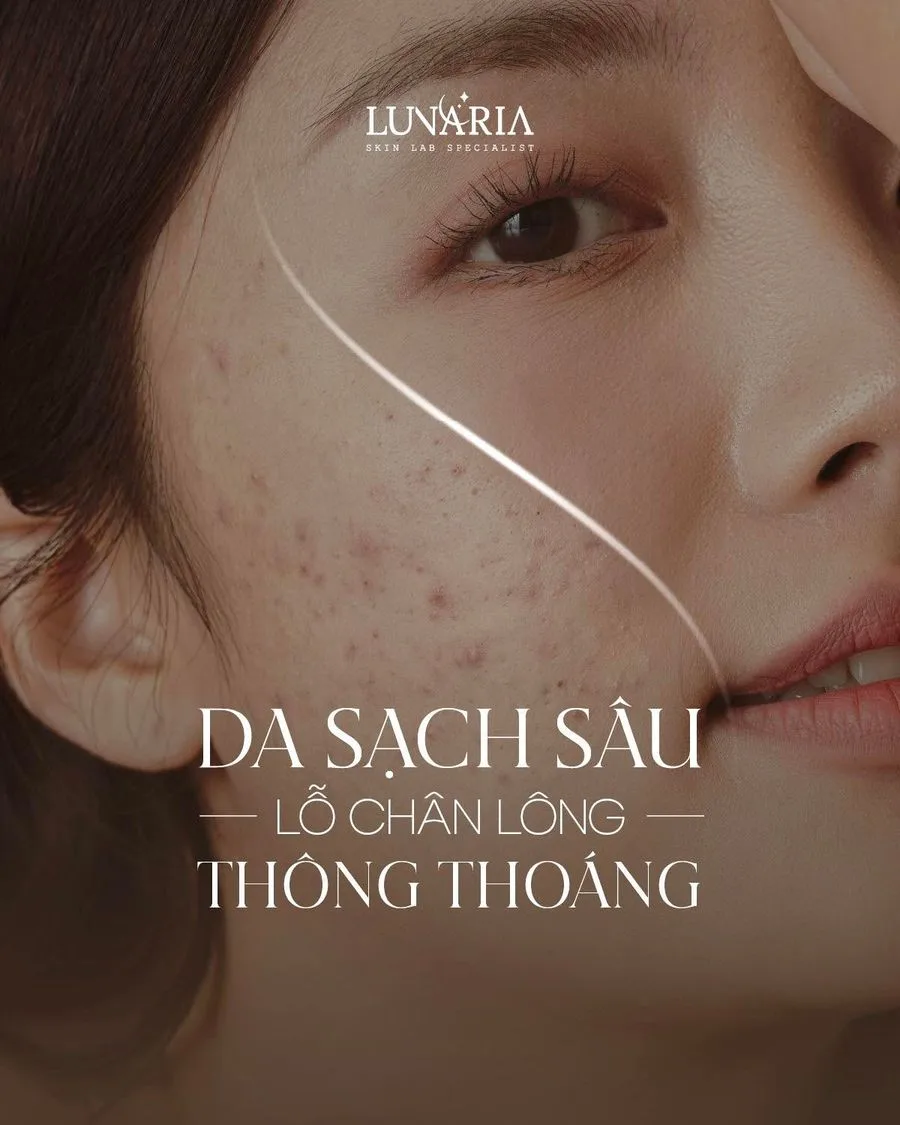
Acne Extraction Spa in Da Nang: Why Squeezing Pimples Yourself Can Make Your Skin Worse
Extractions aren't just about clearing out blemishes. What matters more is treating your skin's actual condition correctly and avoiding unnecessary damage.
Read more →
Laser Hair Removal in Da Nang | Lunaria Skinlab
Tired of the endless cycle of shaving, waxing, and dealing with irritated skin in Vietnam’s hot weather? At Lunaria Skinlab, we offer a permanent, painless solution. Located in the heart of Da Nang, our clinic specializes in advanced DPL (Dynamic Pulsed Light) hair removal, designed to give you…
Read more →Start your healthy-skin journey
Leave your details and Lunaria will call you back to confirm within 30 minutes.