17 November 2024
You've tried removing hair with all kinds of methods, from shaving and waxing to laser, yet the hair keeps coming back and never gets any finer? Don't worry, you're not alone! This is a common problem, and it can be solved once we better understand how hair grows and then choose the right hair removal method. Let Lunaria answer your questions in this article and put your worries to rest!
Why does hair grow back after removal?
Our hair grows in a natural cycle with three phases: growth, rest and shedding. Hair removal methods such as waxing and laser usually target hair in the growth phase. However, not all hairs are in the same phase at the same time. Some may still be resting or shedding and are not affected. When these hairs enter the growth phase, they grow back.

Factors that affect hair removal results
- Hair type: Body hair has different characteristics and structures depending on the area. For example, underarm or bikini hair is usually thicker and coarser than hair on the arms or legs. These differences make hair removal in some areas more complicated and call for the right method.
- Hair removal method: Each method delivers different results. Laser, for example, can reduce hair long-term. However, if it is performed with the wrong technique or isn't suited to your skin and hair type, hair can still grow back.
- Aftercare: Caring for your skin after hair removal is very important. Without proper care, pores can become clogged or irritated, leading to regrowth.
Ineffective hair removal – common external causes
Hair is living tissue and is always there, but if you've been trying to say goodbye to unwanted hair and nothing improves, with hair still growing back quickly, dark and coarse, or even causing folliculitis… it's time to explore with Lunaria SkinLab some external causes that may be behind it, so you can resolve this frustrating problem for good.
1. Hair Removal Technology
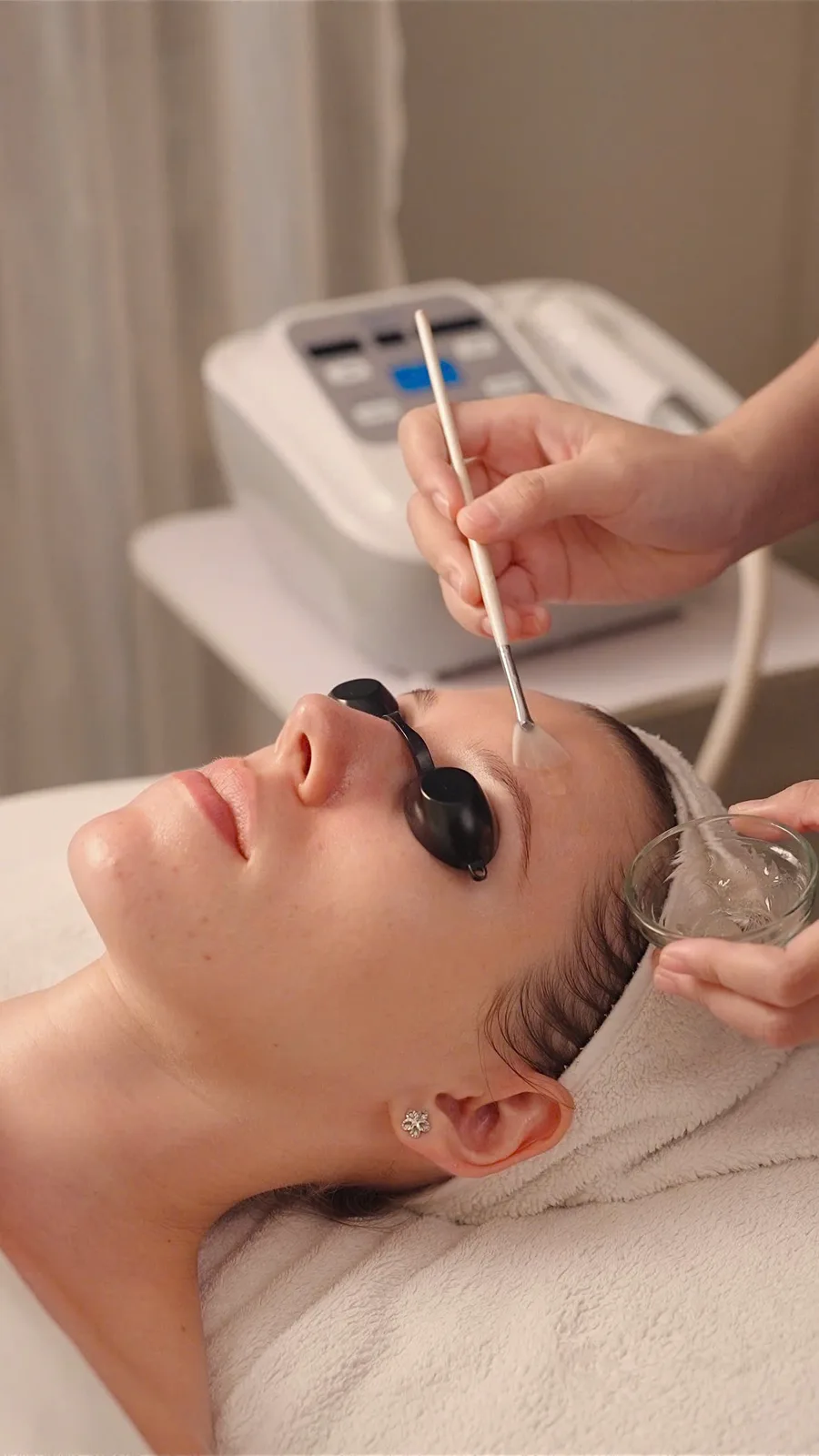
Hair removal technologies such as IPL (Intense Pulsed Light) or Diode Laser work differently on different hair and skin types. If the technology doesn't suit your skin type and hair color, the results won't be very effective, and the hair will keep growing back.

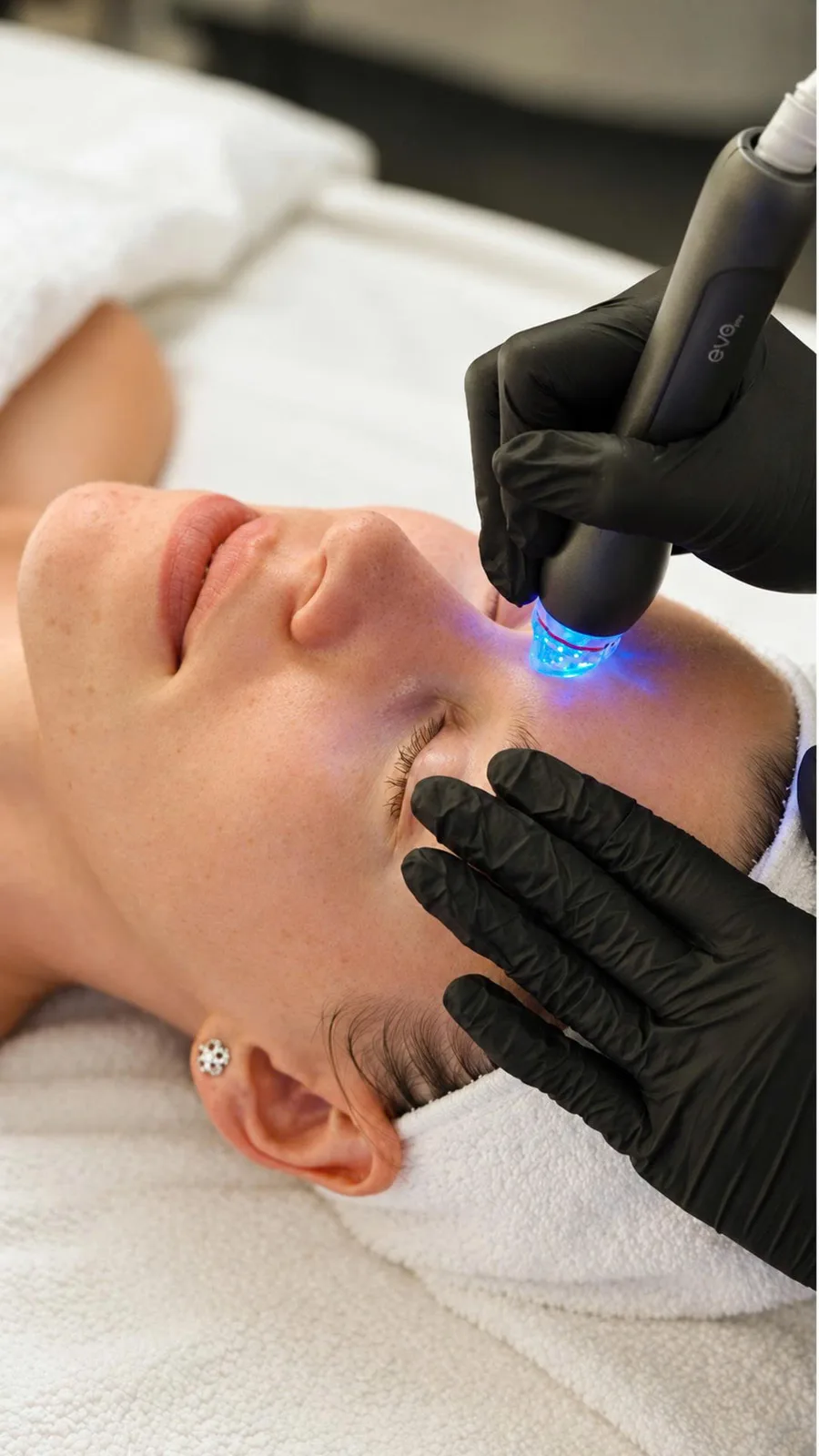
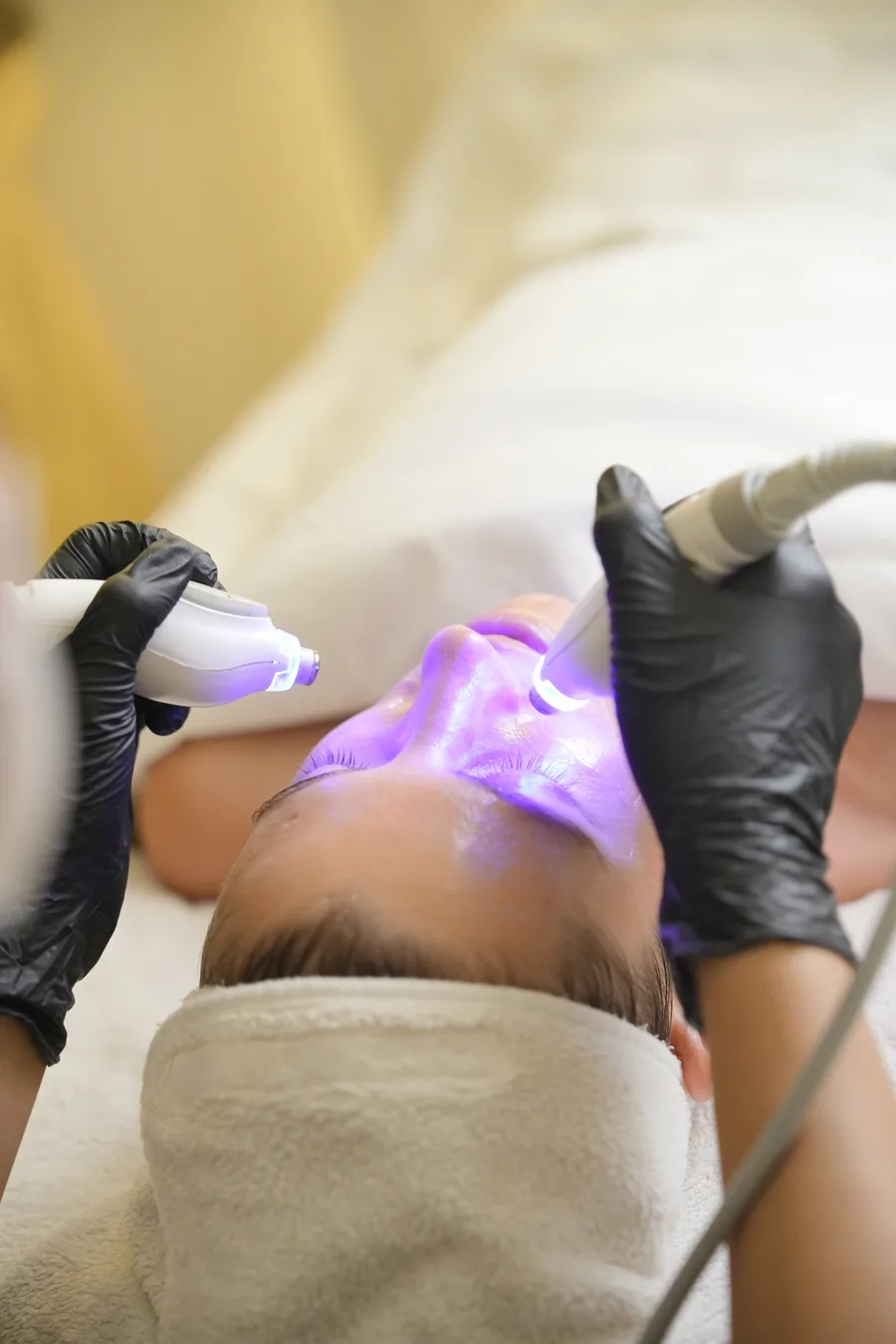
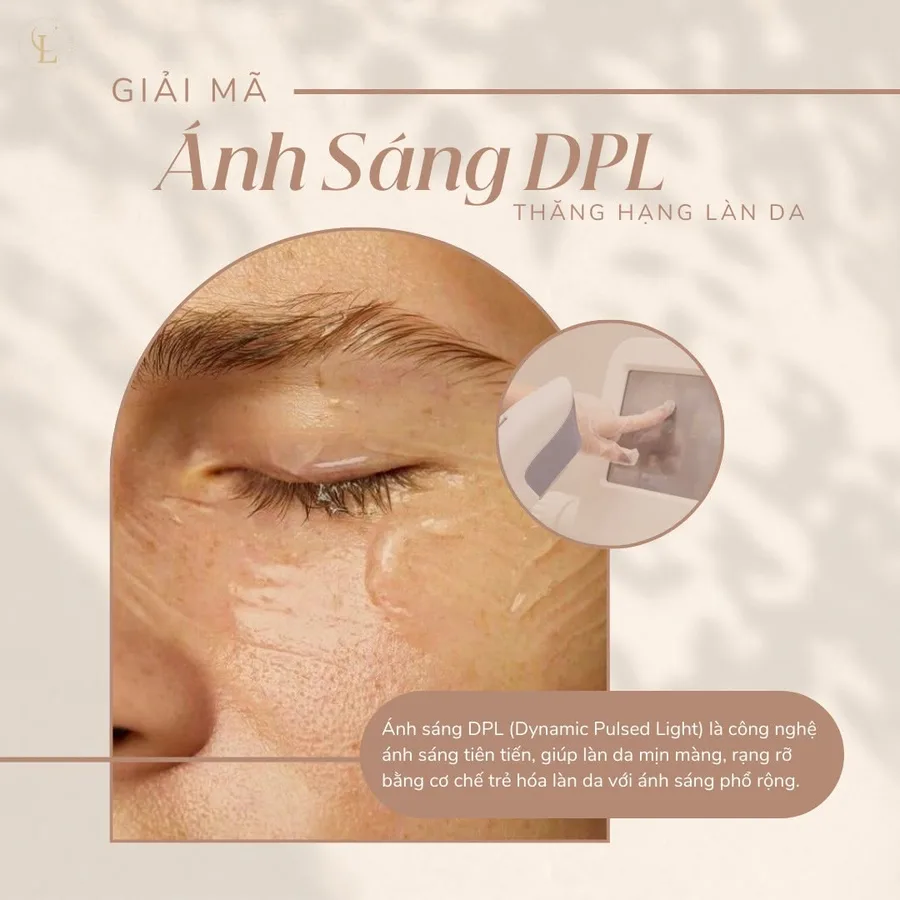
At Lunaria, we trust DPL (Dynamic Pulse Light) technology, which uses multiple light pulses at different wavelengths. This allows energy to be concentrated on targets in deeper layers of the skin, making hair removal more effective while minimizing the risk of damage to the surrounding skin. In addition, DPL technology can improve pigmentation concerns and even out skin tone quickly and effectively.
2. Old Equipment – Not Properly Maintained
Every hair removal device needs its shot head replaced according to the manufacturer's recommendations. Each shot head has a limited number of pulses, and once it reaches the end of its life, replacing it is necessary to maintain effectiveness.

If the device isn't maintained properly, you may experience problems such as skin irritation and uneven results, or even breakouts on the skin in contact with the machine because the equipment wasn't cleaned properly.
Skincare tips after hair removal
Besides the method and equipment, how you care for your skin after hair removal is very important for protecting the skin, minimizing irritation and getting the best results. Here are some helpful tips for you:
1. Moisturize your skin
After hair removal, your skin may become dry and lose its natural oils. Moisturizing helps restore hydration, soften the skin and ease dryness and stinging. Use a gentle moisturizer without alcohol or harsh irritants.
2. Avoid direct sun exposure
After hair removal, your skin is more sensitive to the sun. To avoid sunburn and dark spots, limit time outdoors between 10 a.m. and 4 p.m. If you need to go out, use SPF 50+ sunscreen and reapply every 2–3 hours. Also wear long clothing to cover and protect your skin from the sun.

3. Avoid very hot showers
Hot water can easily irritate the skin after hair removal. Shower with lukewarm water and avoid very hot water for about 24–48 hours after your session. This keeps your skin from drying out or developing red bumps, and reduces itching.
4. Avoid exfoliating products
For 48 hours after hair removal, avoid exfoliating products and limit strong ingredients such as acids, retinol or harsh cleansers. Your skin needs time to recover, and these products can cause irritation or inflammation.
5. Don't scratch or rub the treated area
After hair removal, your skin becomes significantly more sensitive and vulnerable. Scratching or rubbing can let bacteria from your hands or objects spread into areas with red bumps, causing damage and raising the risk of infection. If you feel itchy, apply a gentle moisturizer to soothe it.
6. Use soothing products
If the area is red or slightly swollen, you can use aloe vera gel. Creams containing calamine or other gentle, non-irritating products are also good choices. Choose a light, fluid texture to avoid clogging hair follicles and causing inflammation.

Suggested product: Phyto Replenish Body Oil – A restorative, hydrating full-body oil that soothes and nourishes
7. Limit strenuous activity
After hair removal, your skin can easily become irritated if you do activities that heat up the body, such as intense exercise, steam rooms or saunas. Avoid these activities for at least 24 hours after hair removal to minimize the risk of inflammation or skin irritation.
8. Be patient with your aftercare
Hair may still grow back after a few days, but proper care helps reduce fast, coarse regrowth and leaves your skin softer. Be patient and keep up a consistent skincare routine, especially in the first days after hair removal.
9. Avoid pore-clogging products
Makeup, oil-based moisturizers or products with heavy ingredients such as mineral oil, lanolin, coconut oil, unrefined shea butter, silicone… Formulas with high amounts of these ingredients usually suit very dry skin but aren't ideal for skin after hair removal because they can easily clog pores. Instead, choose lightweight, oil-free products or those labeled "non-comedogenic".
10. Adjust your diet
A diet rich in vitamins A, C and E helps your skin recover quickly and stay healthy. Eat plenty of vegetables and fruit, and drink enough water every day.
These are the reasons why hair keeps growing back even after multiple hair removal sessions. Internal factors such as hormonal health, skin type and the hair growth cycle also play an important role. This article has shared the essentials of post-hair-removal skincare to help you keep your skin healthy and achieve long-lasting results.
If you'd like help achieving smooth, radiant skin, don't hesitate to contact the Skin Masters at Lunaria SkinLab for advice and the treatment that suits you best!

Trusted Acne Treatment in Da Nang: Why Acne Care Should Start With the Skin Barrier
When it comes to treating acne, many people immediately think of controlling oil, clearing pores or using strong actives to push breakouts out. But healthy skin is about more than just fewer breakouts. The skin barrier also plays an important role…
Read more →
Acne Extraction Spa in Da Nang: Why Squeezing Pimples Yourself Can Make Your Skin Worse
Extractions aren't just about clearing out blemishes. What matters more is treating your skin's actual condition correctly and avoiding unnecessary damage.
Read more →
Laser Hair Removal in Da Nang | Lunaria Skinlab
Tired of the endless cycle of shaving, waxing, and dealing with irritated skin in Vietnam’s hot weather? At Lunaria Skinlab, we offer a permanent, painless solution. Located in the heart of Da Nang, our clinic specializes in advanced DPL (Dynamic Pulsed Light) hair removal, designed to give you…
Read more →Start your healthy-skin journey
Leave your details and Lunaria will call you back to confirm within 30 minutes.