
18 August 2024

Whether you are a man or a woman, aging is unavoidable. It is simply a law of nature. Over time, the skin becomes saggier, thinner and drier, and the functions of other organs also tend to decline.

How can you care for aging skin effectively without spending too much time on it? In this article, Lunaria answers your questions and suggests a comprehensive approach to rejuvenating your skin.
How concerning is skin aging?
Aging is not only about grey hair, gradually losing height, reduced mobility or memory decline. It also shows in the skin as it "gets older". Understanding the causes and signs of skin aging helps you confidently limit premature aging and slow down how fast it happens. We cannot stop time, but we can certainly limit and prevent premature aging.
I. What is aging skin?
The role of the skin:
The skin is an ecosystem, far more versatile than you might think. Its roles include:
- Sensing touch and pressure from the environment
- Regulating electrolytes
- Controlling body temperature
- Acting as armor that protects you from environmental damage
The skin's ecosystem is also affected by time. Aging is the process of "growing up" and "growing old" that the body must go through, driven by both internal and external factors. It shows visibly on the outside: greying hair, dull skin, age spots, melasma, wrinkled skin, and dense wrinkles and crow's feet. It also sends warnings from within, such as shrinking bones and joints and a loss of height.
Skin aging
The signs usually become more noticeable after 35. However, depending on lifestyle, diet and certain environmental factors, they can appear earlier. That is why, from the age of 20 onwards, you should already pay close attention to preventing aging.

Premature skin aging occurs as estrogen levels in the body gradually decline. At the same time, cell renewal becomes slower than normal. As a result, the fatty tissue under the skin decreases and the skin layers become thinner. The skin starts to feel dry and rough, and sagging wrinkles form. Some signs of premature aging can appear as early as your early 30s.
In particular, if before the age of 35 you notice your facial skin becoming dry, dull and less elastic, or it starts to sag and even develop age spots, you are very likely experiencing premature aging.
II. Internal vs. external causes
Dermatologists divide skin aging into two types based on what drives the aging process: intrinsic aging (age, hormonal changes) and extrinsic aging (lifestyle, environment).
What is intrinsic aging?
Intrinsic aging (internal aging) is the natural aging process our body goes through over time as we get older, or when we go through certain hormonal changes such as pregnancy or menopause.
From our 20s, the body starts producing collagen and elastin more slowly, or even in smaller amounts. The skin loses its vitality and damage takes longer to heal. Meanwhile, internal changes in the lipid layer and bones are not yet visible on the outside.
Because these changes come from within, they take time to show clearly on the body. Usually, once you pass 35, you will notice that your skin and appearance have truly changed.
Signs of intrinsic aging
In the early stages, aging may be hard to see with the naked eye. But as we get older, the signs become more obvious. Hollows appear around the eyes and cheeks, and the skin gradually loses its plumpness and elasticity.
What is extrinsic aging?
Extrinsic aging (external aging) is caused by factors from the outside, and 90% of it comes from the sun, more specifically from UV rays. In addition, lifestyle habits and diet also significantly accelerate the aging process.
Simple habits such as sleeping position may seem harmless but can leave us with regrets later on. Pressing your face against the pillow night after night puts pressure on the skin and can form wrinkles. Combined with internal factors, as the skin gradually loses lipids, these creases turn into deeper, more visible wrinkles.
Signs of extrinsic aging
Extrinsic aging typically shows up as wrinkles and crow's feet, and especially as changes in skin pigmentation, with skin becoming dull or developing age spots.
III. Common signs of skin decline
The signs of aging skin are usually subtle and develop slowly day by day. If we don't watch for and compare these daily changes, we can become complacent about anti-aging care. The skin has three basic layers, from the outside in: the epidermis, the dermis and the hypodermis. Skin aging takes place across all of these cells.

Skin layers
The skin gradually thins over time, weakening its protective outer layer. We become more prone to injury and scratches. Once damaged, aging skin also recovers four times more slowly than young skin. Reduced elastin makes the skin less cohesive, less elastic and rougher.
Skin pigmentation
Some pigment cells are lost, making the skin look paler. Other melanocytes enlarge, especially with direct UV exposure. Brown spots, age spots and melasma appear on areas that get a lot of sun.
Sebaceous glands
They begin to slow down, so the skin is no longer kept properly moisturized. This leads to dry, rough, dull skin that wrinkles easily and becomes itchy.
Blood vessels
The blood vessels in the dermis also become thinner and weaker, so the skin bruises and bleeds more easily. The older we get, the more likely we are to develop senile purpura.
Fat layer
At the same time, the fat layer under the skin also thins. That is why older people often look thinner and their skin more wrinkled. These fatty tissues also help regulate body temperature, act as a cushion that reduces damage from external forces, and absorb certain medication components so they can work properly. So as we lose fat, we face quite a few unwanted effects.
Bumps and growths
You may not know that bumps, warts and rough brown patches (seborrheic keratosis) are more common in older people. Rough pink patches (actinic keratosis), which have a small chance of turning into skin cancer, are also common. This is because the skin's structure and its barrier function change for the worse at this stage.
It may seem simple, but aging skin brings more consequences than you might think.
IV. Ways to help your skin "reverse aging"
Because of these consequences, slowing down and limiting the aging process is extremely important. So what should you do if your skin is aging prematurely?
#1 Fight skin aging with sunscreen
You may not know this, but without sunscreen, none of the other products in your anti-aging routine can work properly. Wearing sunscreen every day can make a significant difference to your skin. Look for a broad-spectrum sunscreen with SPF 30 or higher to protect your skin better and boost its anti-aging benefits.

Recommended: Dynamic Skin Recovery SPF50 – Sunscreen for aging skin
#2 Choose a serum for aging skin
For dry skin with many wrinkles, choose a serum containing ingredients such as rose water, hyaluronic acid, rosehip oil, vitamin C and vitamin E. They both relieve dryness and help soften wrinkles very effectively, stimulating natural collagen and elastin production to plump and firm the skin.

Recommended: Biolumin-C Serum – A super-concentrated, highly absorbent triple vitamin C brightening serum
#3 Care for aging skin with a moisturizer
Using a moisturizer is another effective anti-aging tip Lunaria wants to share. Not only does it visibly reduce wrinkles, it also keeps the skin hydrated all day long. For prematurely aging skin, prioritize moisturizers with vitamin C. This ingredient not only boosts collagen production but also provides antioxidant support while inhibiting pigmentation within the skin.

Recommended: Super Rich Repair – Intensive moisturizing cream for dry and aging skin
#4. A healthy lifestyle and diet
Aging and eating habits go hand in hand. How we age is partly influenced by what we eat. A sensible, nutritionally balanced diet is therefore an important way to delay aging and extend longevity.
The anti-aging functional components in food mainly reduce skin aging in 3 ways:
- Being absorbed and taking part in synthesis
- Metabolizing skin components; boosting the activity of antioxidant enzymes
- Inhibiting the breakdown of skin components, helping maintain the integrity of the skin's structure
That is why a sensible, nutritionally balanced diet is an important way to delay aging and extend longevity.
Keep your meals healthy

Half of your plate should be seasonal vegetables; a quarter should be essential protein, depending on your eating habits; and the remaining quarter should be rice or wheat. A well-balanced plate is the key to a healthy body.
Eat fats in moderation
Include fats in your diet rather than cutting them out, but make sure you eat them in moderation. Health experts recommend healthy fats such as nuts and olive oil.
Cut back on processed foods
If you want to slow down aging, avoid relying on packaged foods such as refined sugar, cereals, sugary drinks, bread and sweetened cereals.
To "reverse aging", choose foods in their natural form. They retain their original nutrients and are both safe and good for your health. These foods are far better than processed products.
Drink more water
Water is the key to a healthy body, so always keep yourself hydrated by drinking at least 8–10 glasses of water a day. If you don't enjoy plain water, try detox drinks.

Eat whole, natural foods
Don't put too much trust in packaged foods, as their nutritional value is often destroyed during processing. Try to choose naturally grown, seasonal produce to help your body absorb the highest levels of natural nutrients.
#5. Skincare products and aesthetic treatments
Above all, consider moisturizing skincare products that support anti-aging. Choose products that deliver nutrients suited to your skin type (normal, oily and acne-prone, dry, or sensitive skin) and that are hypoallergenic, don't clog pores and don't cause breakouts (non-comedogenic or non-acnegenic).

Don't be too trusting or set high expectations for anti-aging products advertised to work in a short time. And don't lose patience and use many anti-aging products at once.
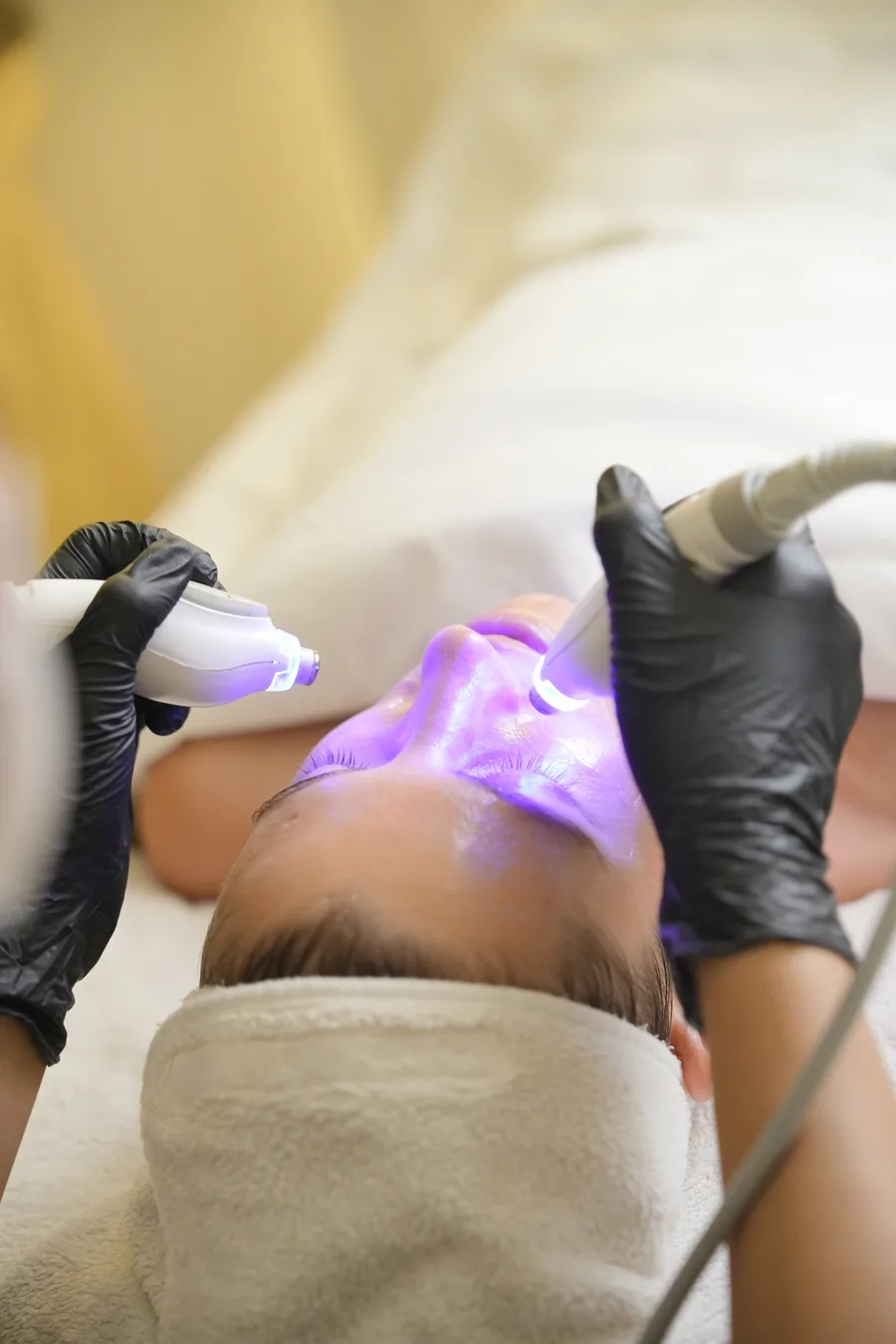
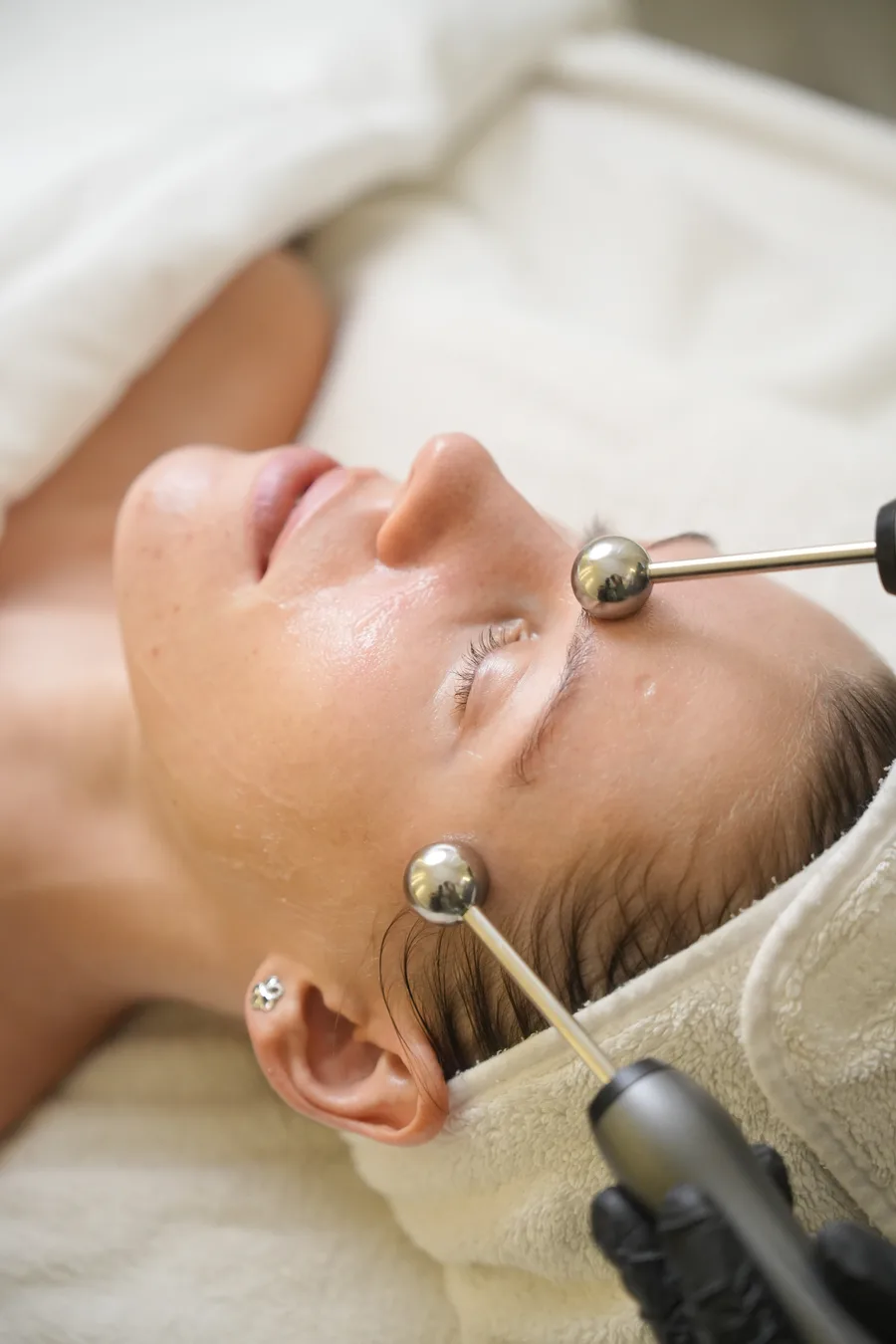
Besides proactive natural anti-aging methods, you can also consider dermatological aesthetic treatments: microdermabrasion, laser treatments to reduce wrinkles, cosmetic facelift surgery, and anti-aging cosmeceuticals containing retinol, alpha hydroxy acids (AHAs) and vitamin C.
However, guided by the philosophy that "beautiful skin is healthy skin from within", Lunaria always wants to remind you that focusing on your overall health is the best anti-aging approach. Overusing cosmetic procedures is not a long-term solution.
Skin aging is truly a daunting process that no one wants to face, yet we all must go through it because it is a law of nature. The best thing we can do is to maintain and nourish healthy skin from within, slow down skin aging as much as possible, stay positive and embrace this natural process.

Trusted Acne Treatment in Da Nang: Why Acne Care Should Start With the Skin Barrier
When it comes to treating acne, many people immediately think of controlling oil, clearing pores or using strong actives to push breakouts out. But healthy skin is about more than just fewer breakouts. The skin barrier also plays an important role…
Read more →
Acne Extraction Spa in Da Nang: Why Squeezing Pimples Yourself Can Make Your Skin Worse
Extractions aren't just about clearing out blemishes. What matters more is treating your skin's actual condition correctly and avoiding unnecessary damage.
Read more →
Laser Hair Removal in Da Nang | Lunaria Skinlab
Tired of the endless cycle of shaving, waxing, and dealing with irritated skin in Vietnam’s hot weather? At Lunaria Skinlab, we offer a permanent, painless solution. Located in the heart of Da Nang, our clinic specializes in advanced DPL (Dynamic Pulsed Light) hair removal, designed to give you…
Read more →Start your healthy-skin journey
Leave your details and Lunaria will call you back to confirm within 30 minutes.