10 March 2024
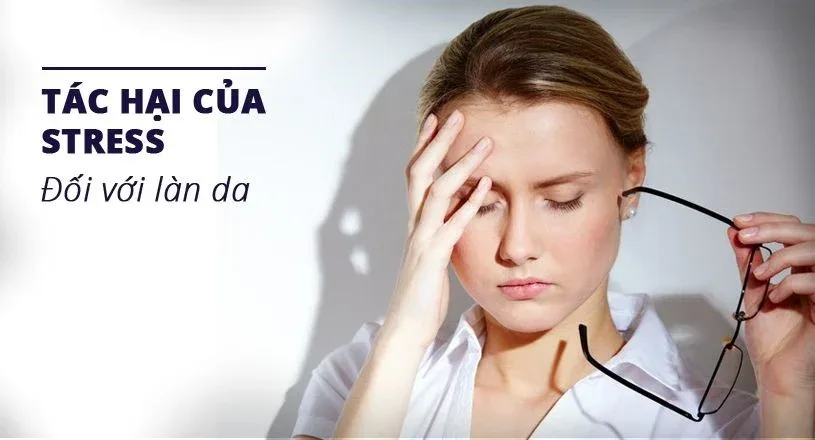
Stress takes a negative toll on your skin, showing up as acne, inflammation and more. The link between stress and skin has been known since ancient times, and formal research on it began two decades ago. There are many ways to improve skin that is aging faster or deteriorating because of stress, such as proper skincare and a balanced diet. Exercise and a healthy lifestyle will also help you manage stress
1. Sun stress and weakened skin defenses
Before looking at internal factors, there is one notable external factor that can put physical stress on the skin and weaken its defenses: ultraviolet (UV) radiation. Whether from natural sunlight or artificial sources such as tanning beds, UV rays draw blood cells to the exposed area to try to repair the skin, resulting in sunburn. Too much UV exposure can lead to dark spots, moles, accelerated skin aging and even skin cancer.

The best way to fight sun-induced skin stress is to apply sunscreen every morning.

Recommended product: Invisible Physical Defense – Physical sunscreen that protects the skin from UV rays & blue light
Besides sunscreen, certain nutrients can boost your skin's natural sun protection, such as:
- Limonene, a compound derived from citrus peel, has been studied for use in cancer-prevention medicines. Eating citrus peel may also offer some sun protection.
- Fruits rich in antioxidants and vitamin C (such as pomegranates and strawberries) can protect cells from free radical damage caused by sun exposure.
Remember that eating these foods cannot replace sunscreen. Combining topical sunscreen with a suitable diet brings the fastest results. Foods rich in limonene, vitamin C and other antioxidants will help counter sun-induced skin stress.
2. Inflamed and easily irritated skin
Rashes, psoriasis, eczema, dermatitis and rosacea are often the result of inflammation. Studies also show that psychosocial stress plays an important role in worsening skin conditions.
In other words, stress makes it harder for the skin to regulate and balance itself. It's no surprise that inflammation and irritation can flare up after a week of poor sleep or a stressful argument.

Treating stress-related skin problems and inflammation should start by removing the cause. Pinpointing the exact reason behind your stress can be difficult or even impossible, but there are still many ways to reduce it through food, exercise or therapy.
Skin affected by prolonged stress can improve with stress-relief methods such as:
- Practicing long-term stress management, such as meditation or yoga.
- Avoiding processed or artificial foods and sweeteners.
- Choosing fruit instead of artificial sweeteners, fish instead of red meat, and olive oil instead of margarine.
3. Increased oil production and acne
Skin problems from prolonged stress are closely linked to acne, especially in women. Stress may scramble the nerve signals in the skin, causing hormonal and chemical imbalances that lead to increased oil production.
Besides using methods to manage the anxiety that weakens your skin, you can also use topical acne treatments. The secret ingredient in many popular acne products is a beta hydroxy acid (BHA) known as salicylic acid.
This oil-soluble ingredient penetrates pores extremely well to unclog and cleanse them. However, too much or too strong salicylic acid can dry out or even irritate the skin.

Recommended product: Sebum Clearing Masque – Clay mask for oily, acne-prone skin
So carefully applying topical treatments each night is very helpful for targeting problem areas without harming the surrounding skin.
4. Oily scalp, hair loss and peeling nails
If you think an oily scalp, hair loss or peeling nails are caused by stress, see a doctor to rule out other underlying problems. For example, scaly or rough skin could be eczema, while hair loss and peeling nails could result from poor nutrition due to skipped meals.
During this time, avoid bathing in very hot water so you don't further damage your skin and scalp. Building a daily habit of regular exercise is essential. And don't forget to plan a nutrient-rich diet full of fruits and vegetables.
5. Prolonged stress weakens the skin, making it thinner and more sensitive
The skin can become thinner when cortisol levels are abnormally high, because cortisol breaks down proteins in the skin, making it look thin and bruise easily. However, this symptom can also be linked to many other conditions, most notably Cushing's syndrome. This syndrome may also include other symptoms such as muscle weakness, glucose intolerance and a weakened immune system.
If you think you may have Cushing's syndrome, see a doctor or visit a medical facility for an examination and diagnosis.
6. Slower natural wound healing
When the skin suffers from prolonged, severe stress, the epidermis can weaken quickly. This increases the risk of infection and pathogens from the environment. It also slows the skin's natural ability to heal acne, wounds and scars. To repair your skin barrier, you can use products containing glycerin and hyaluronic acid.
The same measures used to counter sun damage also apply here. Eating antioxidant-rich foods has a similar effect and also helps boost healing from within.

Drinking enough water keeps your skin hydrated and helps it retain its natural elasticity. Focus on products with ingredients such as zinc, flaxseed oil and sala, which are quite effective at retaining moisture and healing wounds.
7. Tired eyes and dark circles
Dark circles are one of the signs of sleep deprivation. They are also a sign of stress that makes the skin age faster and look worse.

The adrenaline in our body works in a continuous cycle, even at night. If you are trying meditation and yoga to sleep better, add a few other habits, such as using an essential oil diffuser, turning on a white noise machine and avoiding screens for about 2 hours before bed. For sleep disorders such as insomnia and sleep apnea, CBD oil (cannabidiol) and melatonin may be more reliable remedies.

Recommended product: Stress Positive Eye Lift – Energizing treatment mask for the eye area + reduces signs of stress
8. Wrinkles from prolonged stress
Facial wrinkles are also evidence of prolonged psychological stress.
One thing you can try to counter this is face yoga. This method is thought to be safer than Botox with similar results. However, you need to commit to doing it every day, consistently over a period of time, to see results.
By targeting the facial muscles with focused massage techniques on high-tension areas such as the forehead, brows and jawline, these exercises can counter accelerated skin aging, reduce wrinkle formation and keep the skin soft and supple.

Multivitamin Power Serum – Nourishing + anti-aging serum
To boost the effect, you can apply more pressure to your face with a chilled jade roller. This helps activate the lymphatic system, while also reducing puffiness and the visible damage stress does to your skin.
Although we can't control the countless ways stress arises, we can control how we respond to it. Learning to look after yourself, your health and your skin is a slow but sure way to reduce stress.
To book a skin consultation with Lunaria, please call our HOTLINE – 0363474849 or book directly

Trusted Acne Treatment in Da Nang: Why Acne Care Should Start With the Skin Barrier
When it comes to treating acne, many people immediately think of controlling oil, clearing pores or using strong actives to push breakouts out. But healthy skin is about more than just fewer breakouts. The skin barrier also plays an important role…
Read more →
Acne Extraction Spa in Da Nang: Why Squeezing Pimples Yourself Can Make Your Skin Worse
Extractions aren't just about clearing out blemishes. What matters more is treating your skin's actual condition correctly and avoiding unnecessary damage.
Read more →
Laser Hair Removal in Da Nang | Lunaria Skinlab
Tired of the endless cycle of shaving, waxing, and dealing with irritated skin in Vietnam’s hot weather? At Lunaria Skinlab, we offer a permanent, painless solution. Located in the heart of Da Nang, our clinic specializes in advanced DPL (Dynamic Pulsed Light) hair removal, designed to give you…
Read more →Start your healthy-skin journey
Leave your details and Lunaria will call you back to confirm within 30 minutes.