
09 April 2023
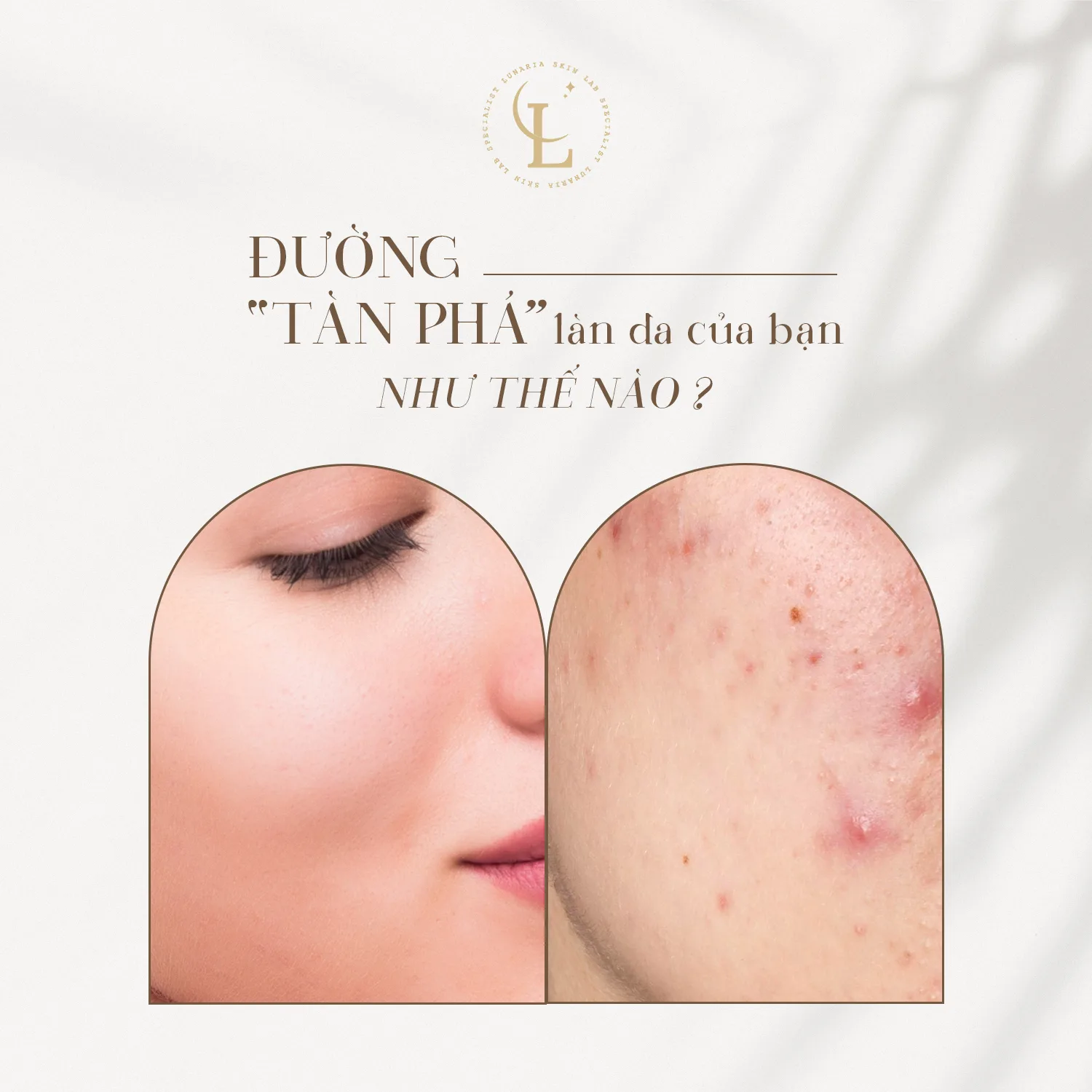

In recent years, the "healthy, no sugar" food and baking trend has taken off everywhere. Many people now understand the harm sugar does to the body's and the skin's "anti-inflammatory" defenses. Consuming sugar without care leads to inflammation in the body, affecting every organ and, above all, damaging the skin.
What is sugar and where is it found?
Sugar is one of the carbohydrate molecules with a sweet taste. Chemically, it is made up of carbon, hydrogen and oxygen atoms. In nature, sugar is found in foods such as fruit, vegetables, grains and dairy products, and it is also added to processed foods.

There are about 60 different types of sugar, known by many different names. Common ones include glucose (blood sugar), fructose (fruit sugar), sucrose (commonly just called sugar: granulated sugar, caster sugar, rock sugar…), maltose (malt sugar), lactose (milk sugar). There are also polysaccharides, which include polymer chains such as starch and cellulose.
The first kind of sugar most people think of is white sugar, the white crystals added to cakes, pastries, candy and every other sweet treat.
This is what is usually called table sugar. And it hides everywhere, in almost all sweet foods.
How does sugar directly damage your skin?
Sugar causes acne

If you have a thorough skincare routine but your skin isn't improving, there's a good chance your diet is the problem. Healthy, beautiful skin is the result of nourishing from within and caring from the outside, together.
Research shows that people who regularly eat sugar have up to a 30% higher risk of acne, while people who regularly eat sweet pastries have up to a 20% higher risk of acne. The higher acne risk from eating a lot of sugar comes from the effect of refined carbohydrates on blood sugar and insulin levels.
In addition, sugar and sweets tend to increase the activity of the skin's sebaceous glands, clogging pores and causing more breakouts on the face (according to Vinmec).
Sugar causes and speeds up skin aging

Part of the sugar you absorb into your bloodstream also becomes bound to proteins. These new molecules contribute to the loss of elasticity in aging tissues, from the skin to organs and arteries. The more sugar circulating in the blood, the faster the aging process.
This is because consuming too much sugar speeds up cellular metabolism and raises insulin, the hormone that processes sugar. This is what increases free radicals and weakens the antioxidant system, the system that keeps us looking young.
At Lunaria Skin Lab, our Skin Masters don't just recommend treatments; they always suggest a complete at-home care plan for each client, from nutrition and supplements to the pros & cons of antibiotics and a personalized skincare routine. So if you have acne and have sought treatment in many places, including dermatology hospitals, without improvement, don't hesitate to get a second opinion from us.
So do you have to cut out sugar completely for beautiful skin?

No, we don't need to, and shouldn't, cut out sugar completely to the point of being extreme and stressed. We just need to limit it as much as possible.
However, some high-sugar fruits can cause internal heat, breakouts and skin inflammation, so you should limit those.


Trusted Acne Treatment in Da Nang: Why Acne Care Should Start With the Skin Barrier
When it comes to treating acne, many people immediately think of controlling oil, clearing pores or using strong actives to push breakouts out. But healthy skin is about more than just fewer breakouts. The skin barrier also plays an important role…
Read more →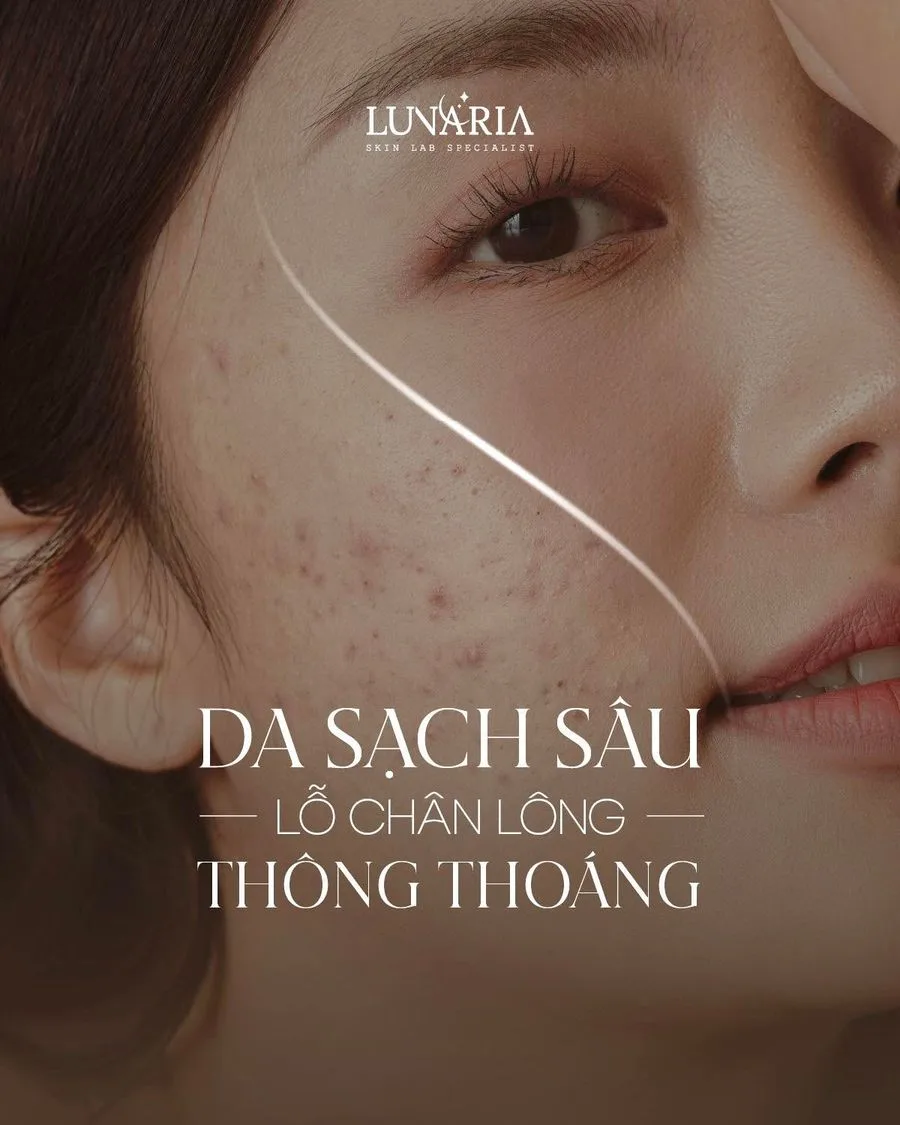
Acne Extraction Spa in Da Nang: Why Squeezing Pimples Yourself Can Make Your Skin Worse
Extractions aren't just about clearing out blemishes. What matters more is treating your skin's actual condition correctly and avoiding unnecessary damage.
Read more →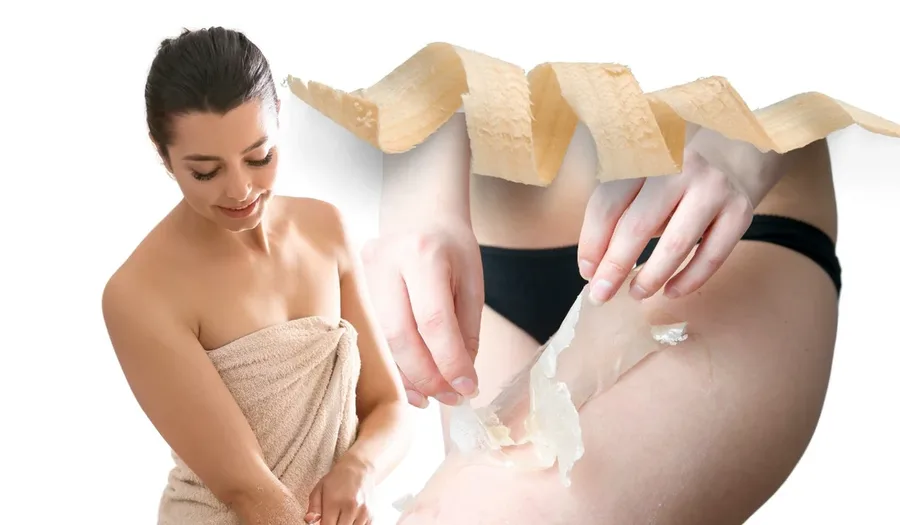
Laser Hair Removal in Da Nang | Lunaria Skinlab
Tired of the endless cycle of shaving, waxing, and dealing with irritated skin in Vietnam’s hot weather? At Lunaria Skinlab, we offer a permanent, painless solution. Located in the heart of Da Nang, our clinic specializes in advanced DPL (Dynamic Pulsed Light) hair removal, designed to give you…
Read more →Start your healthy-skin journey
Leave your details and Lunaria will call you back to confirm within 30 minutes.