24 March 2024
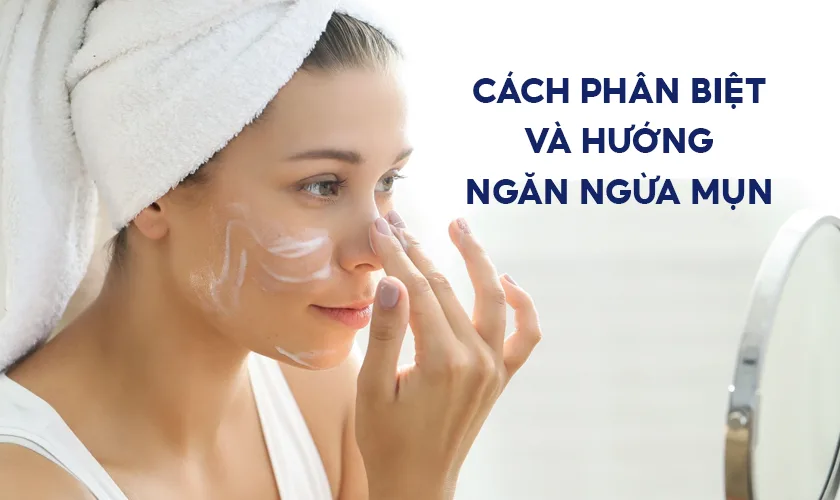
Acne is a skin condition, while pimples are one of its symptoms. So what is the difference between acne and an ordinary pimple? Acne also affects the skin's hair follicles and oil glands.
1. WHAT IS A PIMPLE?
A pimple is a symptom of acne, characterised by inflamed, pus-filled lesions. While acne can appear as severe, swollen, pus-filled bumps across the face, a pimple is usually a single spot or lesion.
Pimples form when pores become clogged with excess sebum, bacteria and dead skin cells. Whiteheads and blackheads, also known as closed and open comedones, are non-inflammatory blemishes caused by clogged pores.

Inflamed spots can also be classified as papules and pustules. Papules are inflamed lesions that appear as small, pink bumps that may feel tender to the touch. Pustules, on the other hand, are bumps with white to yellow pus at the tip. Both can occur together, and a cluster of them may be considered moderate to severe acne.
2. WHAT IS ACNE?
Acne is an inflammatory skin condition. Compared with ordinary clogged pores, acne is more persistent and sometimes painful, with many inflamed bumps rising on the skin's surface. It affects both the oil glands and the hair follicles, and occurs when follicles become clogged with excess oil, dirt or dead skin cells.
Here are a few factors that can trigger breakouts or make them worse:
- Hormonal fluctuations (puberty, pregnancy and the menstrual cycle)
- A genetic predisposition to acne
- Certain medications (corticosteroids and anabolic steroids)
- Squeezing, picking or popping existing pimples
- Very high humidity
- Using oil-based makeup or cosmetics
If your skin is acne-prone, you may experience persistent and recurring breakouts. These may come with blackheads and whiteheads, as well as papules, pustules and cysts. With a weak skin foundation, you are likely to have frequent, stubborn and long-lasting breakouts.

The signs and symptoms of acne can vary depending on how severe your condition is. Acne can be non-inflammatory, such as open or closed comedones, or inflammatory with infected pimples. Here are the different types:
- Whiteheads – closed pores beneath the skin's surface
- Blackheads – open pores on the skin's surface
- Papules – small, pink (or red) bumps that may be tender to the touch
- Pustules – papules with white or yellow pus at the tip
- Nodules – hard, painful lumps deep beneath the skin
- Cysts (severe acne) – painful, pus-filled lesions beneath the skin
3. ACNE TREATMENTS
Treatment options for pimples:
Over-the-counter topical products can help with occasional or mild breakouts. Some of these formulas contain benzoyl peroxide, salicylic acid, retinoids or azelaic acid as active ingredients. There are also pimple patches or hydrocolloid patches that can help improve a blemish overnight.
Treatment options for acne:
These depend on your symptoms and how severe they are. Mild to moderate acne can be improved with over-the-counter medication, but it may take several months to see results. For more severe cases, combination treatments are often recommended. These may include OTC (over-the-counter) products, prescription medication and oral medication such as antibiotics. Some people may also need laser and light therapy, Chemical Peels and other procedures to improve the condition and any scarring.
4. WAYS TO PREVENT ACNE
There are many self-care steps you can take to help prevent, heal and control acne. Here are some suggestions:
4.1. Cleanse your face regularly
Using a cleanser is the first step towards healthy skin. Washing your face keeps it clean and your pores clear, making sure dirt and bacteria are removed. A cleanser also helps control sebum production, which reduces breakouts.

Recommended product: Special Cleansing Gel – a soap-free foaming cleanser for a deep clean
Choose a cleanser with natural, gentle ingredients to avoid irritating your skin. Wash your face twice a day, ideally in the morning and evening, but don't scrub hard. Then gently pat dry with a clean towel.
4.2. Use non-toxic skincare products
If your skin is acne-prone, look for ingredients such as salicylic acid, glycolic acid, benzoyl peroxide and so on. They are highly effective in treating pimples, although you may feel a slight tingling the first time you use them. Avoid products made with alcohol, sulfates, mineral oils, parabens, phthalates, or artificial colours and fragrances to prevent potential side effects.
4.3. Moisturise
People with oily or acne-prone skin often think they don't need a moisturiser because their skin already produces too much oil. But that's not the case: skin often overproduces oil because it is too dry and dehydrated. That's why moisturising is an essential step in your skincare routine. Choose a moisturiser that suits your skin type. In Vietnam's hot, humid weather, a lightweight texture that won't clog pores is a good choice. An effective moisturiser helps control excess sebum and also hydrates the skin, keeping it fresh.

Recommended product: Calm Water Gel – a moisturising and soothing gel for sensitive skin
4.4. Keep makeup to a minimum
Heavy-textured cosmetics or products containing many unsuitable chemicals can lead to breakouts. If you do want to wear makeup, use natural or non-comedogenic products, and make sure you remove everything before you go to sleep.
4.5. Don't touch your face too often
We often touch or squeeze pimples without realising that this can make things worse if done incorrectly. Unwashed hands can carry bacteria to your face, so it's best not to touch your cheeks or chin with unclean hands. You also shouldn't squeeze or pop pimples, no matter how tempted you are.
4.6. Watch your hair
Sometimes dandruff from your scalp can also clog the pores on your face, mainly affecting your forehead. So it's best to keep your hair away from your face. You should also avoid using perfume or leave-in oils overnight, as these can irritate the skin.
4.7. Apply sunscreen
The sun's UV rays can harm the skin. Prolonged exposure can cause inflammation, redness and itching. We recommend applying SPF 30 sunscreen every day (ideally with a PA+++ rating) to protect your skin from radiation and slow down many signs of ageing.

Invisible Physical Defense – a physical sunscreen that protects skin from UV rays and blue light
4.8. Drink enough water every day

Staying hydrated helps flush toxins from the body and gives you healthy, smooth, radiant skin. Aim for around 2 to 4 litres of water a day to help detoxify your body.
4.9. Adopt a balanced diet
Eat well for bright, healthy skin. The skin is the largest organ of the human body, so it needs to be nourished with fresh fruit, whole grains and vegetables. At the same time, avoid sugary processed foods and junk food, as they can disrupt sebum production.
4.10. Exercise daily
Walking, running, yoga or any form of exercise is good for your body, mind and skin. Movement boosts blood circulation, making your skin look healthy.
4.11. Reduce stress
Stress changes cortisol levels and also disrupts oil production. Making the necessary changes to your lifestyle will help your mind and body relax. It will also help you feel more alert, focus on your health and nurture positive thoughts – all of which help lower cortisol levels.
Acne is a common skin disorder, and pimples are a symptom of it. Although the exact cause of acne has not yet been determined, there are a number of self-care, OTC and prescription options to help you reduce or clear acne and the pimples that come with it.
We hope this article has helped you tell these types of breakouts apart. If you would like a skin consultation, please book an appointment directly with Lunaria!

Trusted Acne Treatment in Da Nang: Why Acne Care Should Start With the Skin Barrier
When it comes to treating acne, many people immediately think of controlling oil, clearing pores or using strong actives to push breakouts out. But healthy skin is about more than just fewer breakouts. The skin barrier also plays an important role…
Read more →
Acne Extraction Spa in Da Nang: Why Squeezing Pimples Yourself Can Make Your Skin Worse
Extractions aren't just about clearing out blemishes. What matters more is treating your skin's actual condition correctly and avoiding unnecessary damage.
Read more →
Laser Hair Removal in Da Nang | Lunaria Skinlab
Tired of the endless cycle of shaving, waxing, and dealing with irritated skin in Vietnam’s hot weather? At Lunaria Skinlab, we offer a permanent, painless solution. Located in the heart of Da Nang, our clinic specializes in advanced DPL (Dynamic Pulsed Light) hair removal, designed to give you…
Read more →Start your healthy-skin journey
Leave your details and Lunaria will call you back to confirm within 30 minutes.