


25 February 2024
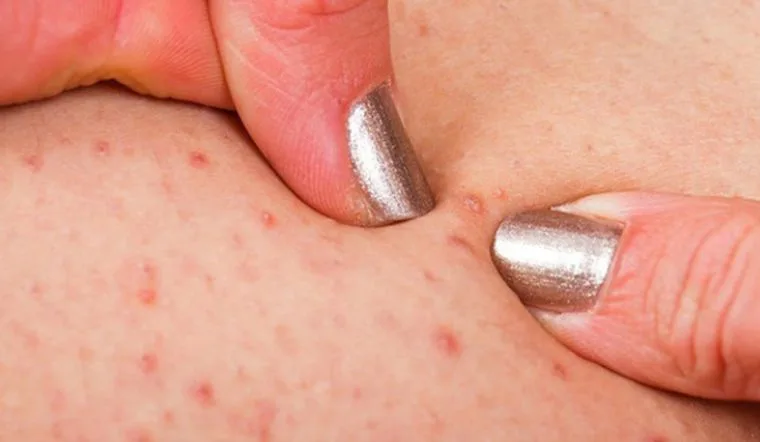
Clogged pores are one of the main reasons your skin breaks out, and they can be caused by your everyday habits. When dead skin cells and dirt get trapped in hair follicles and aren't cleansed or cared for properly, the skin weakens and breakouts appear. So what exactly are clogged pores?
WHAT ARE CLOGGED PORES?
Pores are where natural oils and hair follicles reside. They help keep the skin smooth and create a moisturizing film that hydrates the skin effectively. Pores also remove toxins and release sweat to regulate the skin's temperature.
Clogged pores occur when pores become blocked by a buildup of dead skin cells, dirt and oil. Normally, pores are small openings in the skin that contain oil and sweat. When they become blocked, they turn into blackheads, whiteheads or acne.

Pores regulate temperature and secrete sebum to keep the skin moisturized
Signs of clogged pores
You can recognize the signs of clogged pores when your pores look larger than usual or your skin feels bumpy. Breakouts then appear, or the skin looks duller. Clogged pores on the face are a common concern because they affect your appearance and lead to acne, especially when inflamed. Acne is the most common result and can take several forms, including:
- Blackheads: when oil and dead skin cells get trapped in a pore while the pore stays open.
- Whiteheads: when the pore closes and contains a small amount of white pus.
- Pimples: when bacteria, dead skin and oil get trapped in the pore, causing swelling and inflammation.
- Cystic acne: a severe form of acne that occurs when cysts develop beneath the skin's surface.
Clogged pores can also appear anywhere on the body. On the body, they can be more severe, showing up as large pus-filled boils or in areas where the skin rubs together, such as the groin or armpits. In women, clogged pores are common on the upper thighs, the genital area or under the breasts. In men, they usually appear in the genital area and around the anus.

Clogged pores can cause inflamed acne on any area of skin
WHAT ARE THE CONSEQUENCES OF CLOGGED PORES?
Clogged pores cause direct damage to the skin. Only once the blocked follicle is no longer inflamed or filled with pus, and the clogging plug has been removed, does the lesion gradually heal. Depending on the degree of inflammation and the skin's ability to recover, damage from clogged pores can take anywhere from a few weeks to a few months to heal completely.

Prolonged, recurring clogged pores that are never fully treated can lead to many problems, such as:
- Deep boils and severe inflammation in the skin that are painful and uncomfortable
- Pus-filled acne that oozes foul-smelling fluid.
- Acne caused by clogged pores often leaves scars or severe inflammation after healing. The more often it recurs, the thicker and more noticeable the scars become.
- Clogged pores make the pores on your skin larger.

Although uncommon, frequent folliculitis may increase the risk of skin cancer.
COMMON CAUSES OF CLOGGED PORES
A buildup of sebum combined with dirt and dead skin cells is the direct cause of folliculitis. Many factors contribute to this, including several habits you might not expect. Addressing them is the only way to improve clogged pores and breakouts.
1. Touching your face often
Your hands carry a lot of bacteria, because you use them for almost everything you do each day, picking up bacteria from the objects and surfaces around you. If you keep touching your face, bacteria, viruses, dirt and allergens can all transfer to your skin. This is a common cause of clogged pores and frequent acne breakouts.

Frequently touching your face causes breakouts and clogged pores
So avoid touching your face too often. When washing your face or when you need to touch it, wash your hands thoroughly with antibacterial soap first.
2. Improper extractions clog pores
If you habitually squeeze your pimples thinking it's an effective way to get rid of them, think again. In reality, improper extractions only make acne worse.

This habit also clogs pores, increases the risk of skin infection and enlarges pores. When you squeeze with bare hands, you may also accidentally transfer germs from your hands into your pores.
Our advice: when you have a breakout, avoid touching the blemishes. Let them heal on their own or visit a reputable skin treatment clinic to deal with your acne. If your acne doesn't improve, seek help from a dermatologist.
3. Pressing your phone against your face
Talking on the phone is more common than ever. If you often hold your phone against your ear the traditional way, don't be surprised if you notice breakouts along both sides of your face.

Phones are full of dirt and bacteria, because they are often placed directly on dusty surfaces and pick up bacteria in pockets, school bags and purses. These bacteria clog your pores and cause facial breakouts.
4. Not washing your pillowcases regularly
It may be surprising, but your sheets, pillowcases and mattress affect your skin's health more than you think. If your follicles are clogged, besides your usual skincare and treatments, consider cleaning your bedroom, bed, blankets and pillowcases more often.

Pillowcases and sheets easily collect oil, dirt and dead skin, which can transfer to your face while you sleep, clogging pores and leaving dark marks.
Our advice is to wash your pillowcases every 3 days. Also use plant-based laundry products to avoid harsh chemicals that harm the skin. After washing, dry your pillowcases in the sun to kill bacteria.
5. Not cleansing your skin regularly
Over a long day, your skin is exposed to the outdoor air as you go about your daily activities. Dust, smoke and sweat inevitably settle on your face. If you forget to cleanse your skin properly every day, dirt and oil gradually build up in your pores and clog them.

So cleanse your face 1–2 times a day with a suitable cleanser, depending on your skin condition and how much dirt you're exposed to.
6. Forgetting to remove makeup before bed

With busy schedules, many people go to bed with their makeup still on. After a long, tiring day, sleep is very important. But haven't you forgotten something? Your makeup removal step! The sebum your skin produces combines with makeup and dirt to suffocate your pores.
So make a habit of removing your makeup and caring for your skin every evening before bed. Your skin can breathe and you'll sleep better too.
7. Not cleaning your makeup tools
Makeup tools are considered just as much a hotbed of bacteria and dirt as your phone, especially since they're used directly on your face. If you don't clean them, brush bristles can become stiff and irritate your skin.

Experts recommend cleaning your makeup brushes once a week. Eye brushes can be washed in warm water with mild soap twice a month. Makeup sponges should be replaced every 3 months.
8. Not exfoliating regularly
Regular face washing can't completely remove dirt or dead skin cells, so you should exfoliate 1–2 times a week. This removes dead skin that builds up in your pores, reducing clogging and breakouts. If you don't already do this, add regular exfoliation to your routine to improve clogged pores.

Exfoliation helps remove dead skin cells deep inside the pores
9. Skipping moisturizer or using the wrong one
Many people believe that you shouldn't moisturize when your pores are clogged, because adding oil and water will cause more breakouts. In fact, a moisturizer can help loosen oil bonds, reduce oil production on the skin and remove impurities built up in the pores.

Biolumin-C Brightening Gel Moisturizer
A daily brightening moisturizer that provides a light, thin layer of hydration
However, not every moisturizer works well or reduces clogged pores. If you have large pores and oily skin, use a moisturizer that is low in emollients. Emollients use the oil on your skin to form a protective layer, which makes the skin produce more oil and clog more easily.
10. Sun exposure
Sunlight is essential for life and provides the body with vitamin D. However, too much or too intense sun exposure breaks down the skin's collagen. As a result, the skin sags and pores enlarge, making it easier for dirt and oil to build up and clog them.

Protect your skin with sunscreen when going out in the sun
So avoid spending too long in the sun, especially during peak hours, without covering your face or wearing sunscreen. Besides clogging pores, direct sunlight also causes skin problems such as melasma, freckles, dullness and age spots.
These are the most common causes of clogged pores. Pay attention to cleansing and caring for your skin properly, and clean the items your face comes into contact with to minimize bacteria and dirt buildup. Once your pores are clear, you'll see your skin looking fresher and more youthful.
If you need more advice about your skin, contact Lunaria via our hotline 0363 474849 for support!

Trusted Acne Treatment in Da Nang: Why Acne Care Should Start With the Skin Barrier
When it comes to treating acne, many people immediately think of controlling oil, clearing pores or using strong actives to push breakouts out. But healthy skin is about more than just fewer breakouts. The skin barrier also plays an important role…
Read more →
Acne Extraction Spa in Da Nang: Why Squeezing Pimples Yourself Can Make Your Skin Worse
Extractions aren't just about clearing out blemishes. What matters more is treating your skin's actual condition correctly and avoiding unnecessary damage.
Read more →
Laser Hair Removal in Da Nang | Lunaria Skinlab
Tired of the endless cycle of shaving, waxing, and dealing with irritated skin in Vietnam’s hot weather? At Lunaria Skinlab, we offer a permanent, painless solution. Located in the heart of Da Nang, our clinic specializes in advanced DPL (Dynamic Pulsed Light) hair removal, designed to give you…
Read more →Start your healthy-skin journey
Leave your details and Lunaria will call you back to confirm within 30 minutes.